
A septic system that’s working properly should be nearly invisible in your daily life, quietly handling wastewater without a second thought. But when something goes wrong, the signs are often subtle at first, easy to dismiss as a one-time plumbing quirk. Ignoring these early warnings can turn a simple fix into a costly excavation project or a serious health hazard for your family and neighbors. Knowing what to look for now can save you thousands of dollars and a lot of stress later.
Slow Drains and Gurgling Pipes Throughout the House
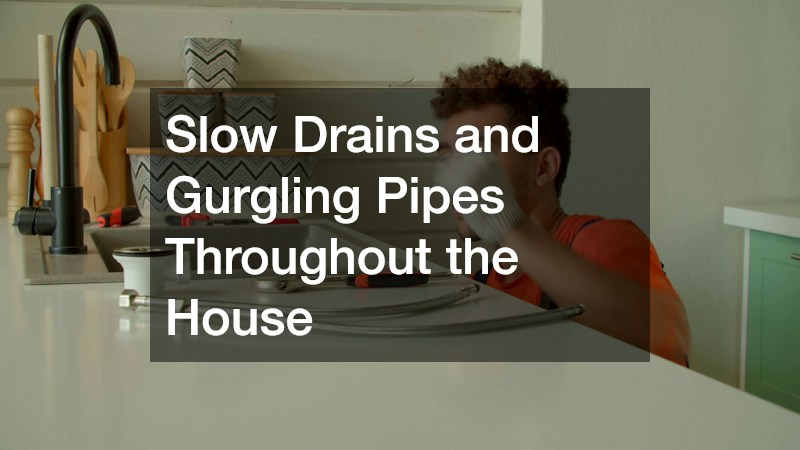
When multiple sinks, tubs, and toilets start draining slower than usual, it’s rarely a coincidence. A single slow drain might point to a localized clog, but when the problem shows up in several fixtures at once, it usually means wastewater has nowhere to go because the septic tank or drain field is struggling to keep up. Gurgling sounds coming from pipes after you flush or run water are another telltale sign that air is being trapped due to a blockage further down the line.
Pay attention to timing as well. If slow drainage happens right after heavy rain or right after you’ve done several loads of laundry in one day, that pattern points toward a system that’s reaching its capacity limits rather than a simple clog.
- Multiple drains slowing down at the same time, not just one isolated fixture
- Gurgling or bubbling noises from toilets, tubs, or sinks
- Drainage problems that worsen after heavy water use or rainfall
- Water backing up slightly before it finally drains
Standing Water or Soggy Patches Near the Drain Field
Your drain field, sometimes called a leach field, is designed to absorb and filter wastewater underground without ever surfacing. If you notice unusually wet, spongy, or soggy ground over this area, especially during dry weather when the rest of your yard is bone dry, that’s a strong indication that the system is overwhelmed or failing. This standing water can carry harmful bacteria and should never be treated as harmless yard flooding.
Grass that grows suspiciously greener and faster over the drain field compared to the surrounding lawn is another clue worth noting. While it might look like a landscaping win, it usually means the soil is being over-fertilized by effluent that isn’t being properly absorbed and treated underground.
Sewage Odors Inside or Outside Your Home
A properly functioning septic system should not produce noticeable odors, indoors or out. If you catch a whiff of rotten eggs or sewage near your drains, in your basement, or outside near the tank and drain field, it’s a sign that gases are escaping where they shouldn’t be. This can happen because of a cracked vent pipe, a failing seal, or a tank that has filled beyond its capacity.
These smells tend to be intermittent at first, appearing after rainfall or when water usage in the house is high. Don’t wait for the odor to become constant before addressing it, since that usually means the problem has moved from minor to urgent.
- Sewage smell near the toilet or bathroom drains
- Odors in the yard, especially near the tank or drain field area
- Smell that intensifies after showers, laundry, or heavy rain
- Musty basement odor that wasn’t there before
Unusually Lush or Discolored Grass Above the Tank
Beyond the drain field, take a look at the grass directly above your septic tank itself. Bright green, fast growing patches in an otherwise ordinary lawn often signal that liquid waste is seeping closer to the surface than it should. In more severe cases, you might even notice the ground sinking slightly or shifting, which can mean the tank lid or structure has weakened over time.
It’s worth mapping out where your tank and pipes are located so you can monitor this area specifically rather than guessing. Many homeowners don’t realize how helpful routine visual checks can be until they’ve already dealt with a costly backup.
- Sunken or uneven ground near the tank location
- Grass that’s noticeably greener or more lush in a defined patch
- Cracks or shifting in the soil surface
- Pooling water that appears after mowing or light rain
Toilets and Fixtures That Are Slow to Recover
If your toilet takes longer than normal to refill, or you hear delayed flushing sounds, this can be an early indicator that the tank is nearing full capacity or that solids have built up more than expected. Many homeowners try to manage this buildup between professional pump outs by using a septic cleaner designed to help break down waste and encourage healthier bacterial activity inside the tank. While these products can support system function, they are not a substitute for regular inspections, especially once symptoms have already appeared.
It also helps to track how often this slow recovery happens. An occasional delay might mean nothing, but a consistent pattern across multiple fixtures suggests the tank is genuinely full or the system’s bacterial balance has been disrupted by harsh chemicals, excess grease, or too much water use at once.
- Toilets that take longer than usual to refill after flushing
- Delayed or weak flushing across multiple bathrooms
- Frequent need for a plunger despite no obvious clog
- Fixtures that seem to improve temporarily after reduced water use
Rising Water Bills and Unexplained System Alarms
A sudden spike in your water bill without a change in household habits can sometimes point back to a septic issue rather than a leak elsewhere in the plumbing. If wastewater isn’t draining properly, some systems compensate by cycling more frequently, especially if you have a pump-assisted septic setup with an alarm system installed.
Speaking of alarms, don’t ignore them if your system has one. These alerts exist specifically to flag when tank levels are higher than they should be, and treating that warning as background noise rather than an actionable signal is one of the most common mistakes homeowners make.
- Water bills that rise without a clear explanation
- Septic alarm sounding more frequently than normal
- Pump running longer or more often than usual
- Any combination of these alongside slow drains or odors
Catching these warning signs early puts you back in control of your septic system rather than reacting to an emergency. If you notice even one or two of these symptoms, it’s worth scheduling an inspection sooner rather than later to determine whether the issue is minor or something more serious. Addressing problems now, while they’re still manageable, is always less disruptive and less expensive than waiting for a full system failure.