
When we think about health, our minds naturally turn to diet, exercise, and genetics. We track our daily steps, count calories, cut back on sugar, and schedule annual physical examinations. However, an invisible set of variables quietly shapes our physical and mental well-being every single day: our immediate environment. The air we breathe inside our homes, the quality of the water running through our pipes, the hidden structures supporting our plumbing, and even the local insect populations in our backyards play a profound role in our long-term vitality.
Environmental health factors are often overlooked because they operate in the background. Yet, chronic exposure to low-grade environmental hazards can lead to unexplained fatigue, respiratory distress, systemic inflammation, and elevated stress levels. Understanding how your surroundings impact your body empowers you to take control of your space, turn your home into a true sanctuary, and safeguard your health from hidden hazards.
Indoor Air Quality Hazards and Mold Exposure
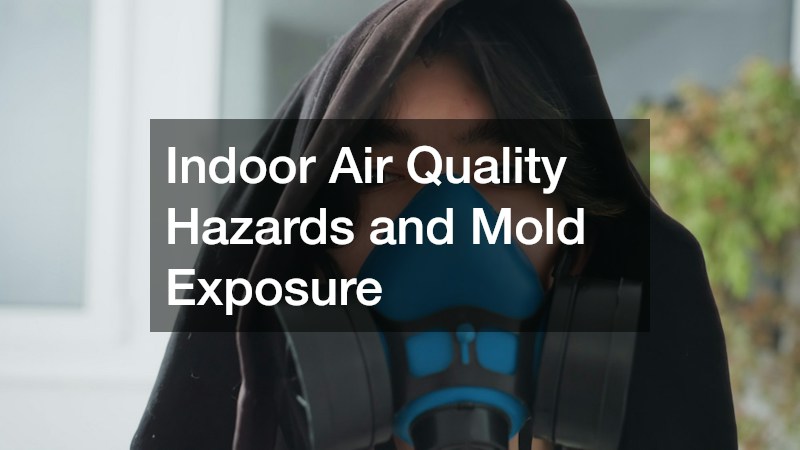
The air inside modern, tightly sealed homes can often be significantly more polluted than the air outside. Mold spores are among the most persistent indoor allergens, thriving in dark, damp environments such as basements, crawl spaces, and behind bathroom tiles. When mold colonies grow unchecked, they release tiny spores and volatile organic compounds into the ambient air. Inhaling these micro-particles can trigger chronic respiratory issues, persistent coughing, sinus congestion, and skin irritation. For individuals with asthma or compromised immune systems, exposure to hidden indoor fungus can lead to severe pulmonary complications and long-term fatigue.
Inspecting Damp Areas Regularly and Scheduling Professional Mold Remediation
To protect your respiratory system, conduct monthly inspections of high-humidity zones in your home, including under sinks, around water heaters, and along basement walls. Look for discolored patches, musty odors, or bubbling wallpaper. If you discover a patch of fungus larger than ten square feet, hire certified mold remediation experts to safely isolate, remove, and treat the affected areas without cross-contaminating the rest of your living space.
Maintaining Indoor Humidity Levels Below Fifty Percent
Invest in a digital hygrometer to monitor the moisture levels in your living areas. Keep humidity strictly between thirty and fifty percent by utilizing high-efficiency dehumidifiers in basements and running exhaust fans in kitchens and bathrooms during and after water use. Lowering ambient moisture starves fungal spores of the water they need to germinate, effectively stopping internal air contamination before it begins.
Private Well Contamination and Groundwater Safety
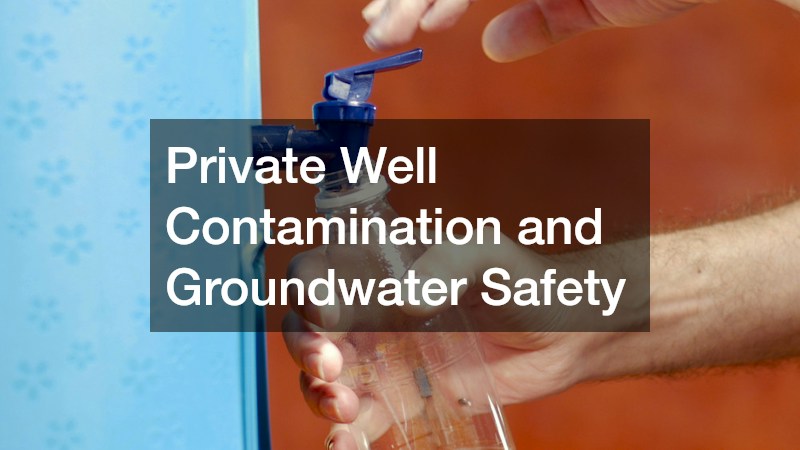
For millions of households, private wells provide the primary supply of drinking, cooking, and bathing water. Unlike municipal systems, private wells are not automatically monitored or treated by local governments. Over time, heavy metals like lead and arsenic, harmful agricultural run-off, nitrites from fertilizers, and pathogenic bacteria can seep into subterranean aquifers. Consuming contaminated groundwater can cause gastrointestinal illnesses, neurological problems, and long-term organ strain. Because many dangerous water pollutants are completely odorless and invisible, reliance on unmonitored ground sources poses a quiet but serious health risk.
Performing Comprehensive Annual Water Testing
Schedule an annual laboratory test for your private water supply to screen for coliform bacteria, nitrates, total dissolved solids, and heavy metals. Acquire a certified test kit or hire a licensed well installer to collect samples directly from the source to ensure your underground pump, casing, and delivery infrastructure remain completely free from external structural leaks or microbial infiltration.
Installing Point of Use Filtration Systems
Enhance your drinking water safety by equipping kitchen faucets with certified reverse osmosis or multi-stage carbon block filtration units. Ensure the filtration system is rated to target the specific contaminants identified in your annual water report. Consistently replace filter cartridges according to the manufacturer guidelines to prevent filter saturation and maintain optimal purification levels.
Underground Wastewater Failures and Microbial Contamination
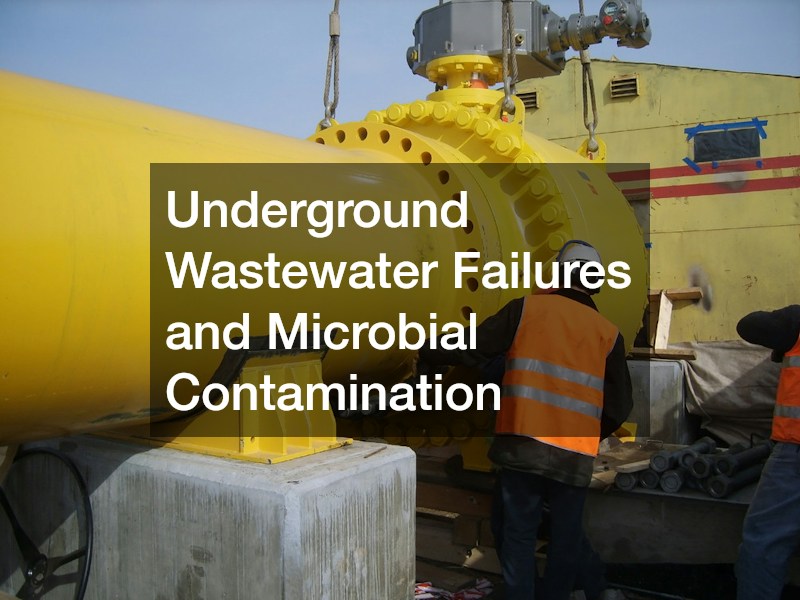
Subsurface plumbing systems handle vast amounts of toxic waste every day. When main sewer lines crack, sag, or become clogged with invasive tree roots, raw sewage can back up into residential properties or leak into surrounding topsoil. Exposure to raw wastewater exposes occupants to dangerous pathogens, including Escherichia coli, Salmonella, and various enteroviruses. Inhaling sewage gases like hydrogen sulfide can cause headaches, dizziness, nausea, and cognitive fog. Proper maintenance of subterranean waste structures is essential for preventing hazardous microbial blooms near your foundation.
Monitoring Waste Pipes and Booking Pipe Restoration Services
Watch for warning signs of subterranean pipe failure, such as unusually lush patches of grass in your yard, slow-draining fixtures, or gurgling sounds from your toilets. If your home relies on aging municipal infrastructure, arrange a video scope inspection and book professional sewer rehabilitation services to line or repair compromised underground pipes before dangerous sewage backups occur inside your home.
Practicing Proper Waste Disposal to Avoid Clogs
Protect your underground drainage lines by refusing to flush non-degradable items down toilets or sinks. Keep wipes, feminine hygiene products, paper towels, and dental floss out of your drainage system entirely. Preventing blockages reduces internal line pressure, reducing the structural risk of pipe ruptures and hazardous waste leaks underneath your residential property.
Septic System Degradation and Biological Hazards

Homes not connected to municipal sewer grids rely on self-contained septic tanks to treat human waste. When a septic system fails, untreated biological effluent rises to the soil surface or leaks into surrounding soil layers, creating an immediate biological hazard for residents and pets. Stagnant septic wastewater contains high concentrations of parasites, bacteria, and nitrates. Walking across contaminated soil can track dangerous bacteria directly into your living areas, creating an environment ripe for gastrointestinal infections and chronic skin disorders.
Scheduling Regular Pumping Inspections
Prevent systemic tank overfill by having a certified professional inspect your system every one to three years. Hiring established septic pumping services every three to five years clears out accumulated solid sludge from the bottom of the tank, preventing solids from flowing into and permanently clogging the delicate drainfield pipes.
Avoiding Heavy Loads on the Drainfield
Protect the soil absorption field by restricting vehicle parking, heavy equipment, and major landscaping projects over the tank and pipe network. Excessive soil compaction damages buried pipes and reduces the soil ability to naturally filter pathogens out of liquid effluent, increasing the risk of surface contamination.
Promptly Repairing Structural Tank Defects
Pay attention to soggy spots, bad odors, or unusually green grass over your tank location. If you suspect structural cracks, baffle damage, or pipe deterioration, contract immediate septic tank repair to seal leaks, fix internal components, and stop hazardous untreated waste from seeping into your immediate environment.
Chemical Grease Accumulation and Environmental Toxicity
Pouring liquid fat, oil, and grease down kitchen sinks is a major source of indoor plumbing damage and local environmental degradation. Once grease enters drainage lines, it cools, hardens, and coats the interior walls of pipes. Over time, this grease traps food particles, creating foul-smelling blockages that harbor aggressive bacterial colonies. Furthermore, when grease enters municipal water systems, it combines with other chemicals to form massive sewer fatbergs, leading to major street overflows and the release of toxic urban runoff into local ecosystems.
Storing and Recycling Used Cooking Fats
Never pour liquid oils or melted animal fats down kitchen drains or garbage disposals. Allow cooking fats to cool completely, transfer them into sealable glass jars or metal cans, and drop them off at dedicated cooking oil disposal services in your community where the material can be safely converted into biodiesel or industrial lubricants.
Wiping Cookware Before Washing
Use recycled paper towels to wipe remaining grease, salad oils, and pan drippings out of pots and skillets before washing them in the sink. Discarding the greasy towels into the solid garbage bin drastically reduces the volume of lipid compounds entering your internal drainage pipes, preventing toxic blockages and bacterial build-up.
Vector-Borne Diseases and Standing Water Risks
Stagnant water near residential structures creates an ideal breeding ground for disease-carrying pests. Mosquitoes, in particular, lay their eggs in stagnant, nutrient-rich water found in clogged gutters, unmaintained birdbaths, old tires, and poor yard drainage zones. Mosquitoes are primary vectors for dangerous pathogens, including West Nile Virus, Eastern Equine Encephalitis, Dengue, and Zika virus. Chronic exposure to mosquito populations not only ruins outdoor recreation but also poses a serious infection risk that can lead to neurological complications and systemic inflammatory illness.
Eliminating Standing Water Weekly
Inspect your yard weekly and overturn any containers holding still water, including plant saucers, buckets, toys, and pet dishes. Clean out roof gutters every spring and fall to ensure rainwater drains freely away from your home rather than pooling in trapped organic debris.
Implementing Eco-Friendly Vector Management
Apply biological larvicides containing Bacillus thuringiensis israelensis to non-drainable standing water features like garden ponds. For severe property infestations, schedule targeted mosquito control treatments using natural cedarwood oil sprays or barrier applications to dramatically cut adult pest populations without releasing toxic synthetic chemicals into your yard.
Basement Moisture, Radon Gas, and Indoor Pollution
Basements and lower levels are particularly susceptible to environmental health hazards. Because they sit below ground level, basements frequently absorb subterranean moisture, leading to concealed mold growth, wood rot, and dust mite infestations. Furthermore, basements act as the primary entry point for radon gas, a colorless, odorless radioactive gas that seeps out of natural rock formations into foundation cracks. Radon exposure is the leading cause of lung cancer among non-smokers. Poor basement conditions compromise the overall air quality of the entire home through the stack effect, pulling subterranean air upward into main living areas.
Sealing Foundation Cracks and Waterproofing
Inspect foundation walls for visible hairline fractures, water stains, or white powdery mineral deposits. Use heavy-duty hydraulic cement and masonry sealants to fill interior wall gaps, and ensure exterior gutters direct rainwater at least six feet away from foundation walls to prevent subterranean water pressure build-up.
Transforming Lower Levels into Healthy Habitats
If you intend to use your lower level for living space, hire a licensed basement remodeling service to install proper vapor barriers, subfloor drainage, rigid insulation, and dedicated ventilation systems before adding drywall. Transforming a subterranean space into a clean, dry, well-ventilated area eliminates hidden environmental hazards while maximizing your usable living area.
Subterranean Plumbing Leaks and Structural Mold Hazards
Undetected water leaks inside walls, under slab foundations, or beneath bathroom fixtures create insidious environmental health risks. Microscopic leaks saturate drywall, wooden framing, and subflooring over long periods without showing obvious signs on the surface. This hidden moisture creates an ideal habitat for toxigenic black mold, carpenter ants, and wood-boring beetles. Continuous exposure to subterranean moisture leaks causes chronic health problems, including unexplainable skin rashes, chronic eye irritation, persistent sinus infections, and heightened chemical sensitivities.
Monitoring Water Meters for Hidden Leaks
Check your property for hidden leaks by turning off all faucets, showers, and water-using appliances inside and outside your home. Locate your main water meter and record the reading; check it again after two hours without running any water. If the meter movement indicates consumption, you likely have a hidden internal leak that requires immediate professional evaluation.
Utilizing Specialized Leak Detection Tools
Hire reputable local plumbers equipped with acoustic leak detectors and thermal imaging cameras to pinpoint hidden pipe ruptures behind walls or beneath concrete floor slabs. Locating and repairing hidden plumbing failures early prevents structural timber rot, saves water, and stops toxic fungal colonies from establishing themselves inside your living spaces.
Geographical and Socio-Environmental Factors in Mental Health
Our physical surroundings extend beyond bricks, mortar, and plumbing; they include the broader social, geographical, and climate conditions of the region where we live. Dark, long winters, high altitudes, physical isolation, and limited access to community support systems exert a heavy toll on psychological well-being. Prolonged absence of natural sunlight disrupts circadian rhythms, reduces serotonin production, and triggers seasonal affective disorder. When harsh physical environments combine with social isolation, rates of depression, anxiety, and substance use increase substantially, demonstrating that our geographic surroundings directly shape our mental health.
Accessing Local Mental Health Resources
If geographic isolation, seasonal changes, or local stressors impact your mood, seek professional counseling and support programs tailored to your area. For example, individuals navigating geographic isolation, seasonal depression, or regional stress can find dedicated support through specialized programs focused on behavioral health in utah, where rural landscapes and unique climate factors require tailored psychological care.
Prioritizing Daily Light Exposure and Connection
Counteract geographic environmental stress by utilizing light therapy boxes emitting 10,000 lux every morning during dark winter months. Build strong local social connections through community groups, outdoor clubs, and regular social activities to protect your emotional resilience against spatial isolation and regional weather challenges.
Chemical Contamination from Household Synthetic Products
The modern domestic environment contains a wide array of synthetic chemicals found in daily cleaning solutions, personal care products, synthetic carpeting, and treated furniture. Volatile organic compounds, phthalates, parabens, and flame retardants continuously off-gas into indoor air and collect in household dust. Chronic ingestion or inhalation of these synthetic substances disrupts endocrine function, interferes with hormonal balance, damages liver and kidney tissue, and triggers autoimmune reactions. Reducing synthetic chemical exposure inside your living space is critical for supporting long-term metabolic health.
Transitioning to Plant-Based Cleaning Products
Replace harsh synthetic surface cleaners, synthetic air fresheners, and aerosol disinfectants with non-toxic, plant-based alternatives. Utilize simple, proven natural cleaning agents like white distilled vinegar, baking soda, and hydrogen peroxide to sanitize household surfaces without releasing harmful synthetic fumes into your domestic air supply.
Improving Indoor Air Filtration and Dust Control
Dust your home frequently using damp microfiber cloths and vacuum carpets using a machine equipped with a sealed HEPA filter. Synthetic chemical compounds concentrate heavily in indoor dust particles; removing dust systematically prevents toxic chemical compounds from being ingested or inhaled by family members and pets.
Taking Charge of Your Home Environment
The connection between your immediate environment and your physical and psychological well-being is undeniable. From the quality of the air circulating through your HVAC system to the structural integrity of your subterranean plumbing and the safety of your local water supply, small environmental variables exert a massive collective influence on your health. Ignoring these background factors allows low-grade toxicity, chronic inflammation, and mental fatigue to take root.
By taking proactive steps to evaluate, repair, and maintain your surroundings, you eliminate hidden health hazards before they manifest as chronic illness. Clean water, pure air, safe waste management, non-toxic living habits, and accessible psychological support form the bedrock of true preventive wellness. Take time to assess your living space today, implement target fixes, and build a safe, restorative environment that actively supports your long-term health and vitality.


