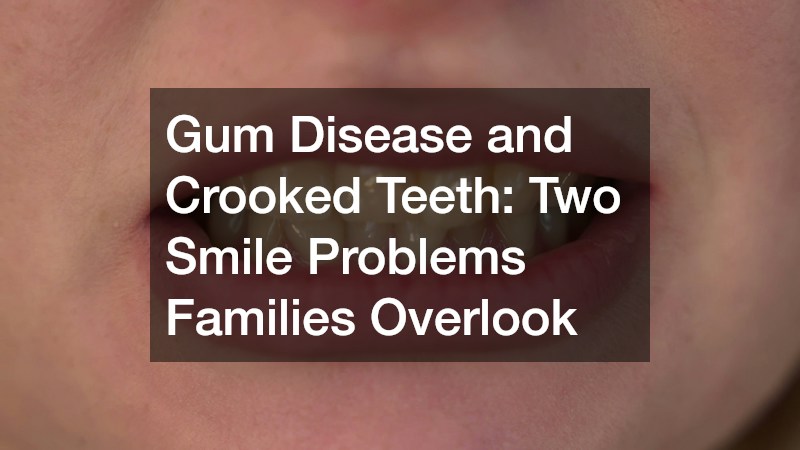

Most families keep a close eye on cavities, but two other smile problems often slip under the radar: gum disease and crooked teeth. Both tend to develop slowly, with few obvious symptoms in the early stages, which is exactly why they get overlooked until they become bigger, costlier issues. Left unaddressed, gum disease can damage the tissue and bone that hold teeth in place, while misaligned teeth can affect chewing, speech, and self-confidence. Understanding how these two conditions show up, how they are connected, and what steps families can take early can save a lot of discomfort and expense down the road.
Early Signs of Gum Disease Parents Often Miss
Gum disease rarely announces itself with pain, which is why it is so easy to dismiss in its early stages. Many parents assume that a little blood in the sink after brushing is normal, when it is actually one of the clearest warning signs that gum tissue is inflamed. Puffy, red, or tender gums are another signal that bacteria have built up along the gumline and are starting to irritate the surrounding tissue. Because children and teens are not always vocal about mild discomfort, these symptoms can go unnoticed for months.
- Gums that bleed during brushing or flossing
- Persistent bad breath that does not improve with brushing
- Gums that look swollen, dark red, or pull away from teeth
- Loose-feeling teeth or changes in bite
- Soreness when chewing that comes and goes
How Untreated Gum Disease Progresses Over Time
When gum disease is caught early, it is usually limited to the gum tissue itself and is relatively simple to reverse with better oral hygiene habits. If it is ignored, however, the infection can spread below the gumline and begin affecting the ligaments and bone that anchor teeth in the jaw. At this more advanced stage, the damage is often permanent, and teeth may become loose or shift out of position. This progression tends to happen gradually, which is part of why families underestimate how serious it can become.
For moderate to advanced cases, dental professionals sometimes recommend laser gum therapy as a less invasive way to remove infected tissue and encourage healing. This approach uses focused light energy to target bacteria and diseased tissue while leaving healthy gum structure intact, often resulting in less discomfort and faster recovery than traditional gum surgery. It is worth asking a dentist whether this option is appropriate during a regular checkup, especially if gum disease has already progressed past the earliest stage. Catching the problem before it reaches this point is always preferable, but knowing that effective treatments exist can ease some of the worry.
Why Crooked Teeth Are More Than a Cosmetic Concern
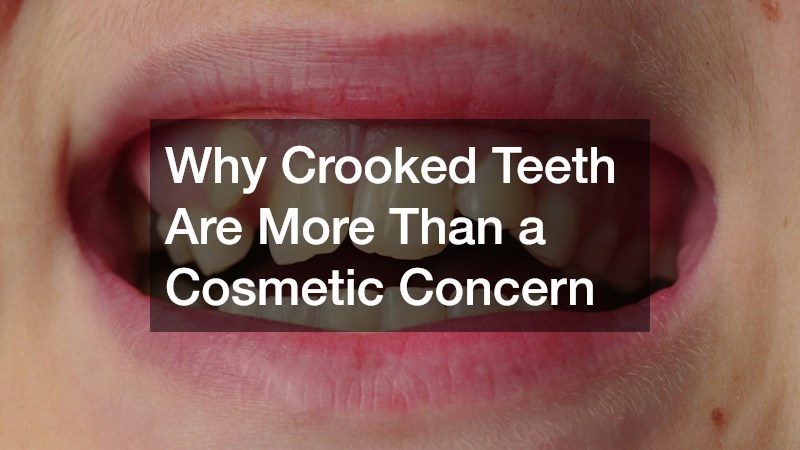
It is easy to think of crooked teeth purely as an appearance issue, but misalignment can actually interfere with everyday function. Teeth that overlap or sit at odd angles are harder to clean thoroughly, which creates more hiding spots for plaque and food debris. Over time, this can contribute to a higher risk of cavities and gum irritation in exactly the spots that are already difficult to reach with a toothbrush. Misalignment can also place uneven pressure on certain teeth, leading to premature wear or jaw discomfort.
Beyond oral health, crooked teeth can affect how children chew and even how clearly they speak, particularly when the bite is significantly off. Some kids adjust their chewing patterns to avoid discomfort, which can create imbalances in jaw muscle development over time. Speech sounds that require the tongue to touch specific areas of the mouth can also be affected by significant misalignment. These functional impacts are often overlooked because families focus on appearance alone.
Spotting the Right Time for Orthodontic Evaluation
Many parents wait until a child’s teeth look visibly crowded or crossed before considering an orthodontic visit, but dental professionals generally recommend an evaluation much earlier. Around age seven is a common benchmark, since enough permanent teeth have usually come in by then to reveal developing patterns. This does not mean treatment starts immediately, but it allows a dentist or orthodontist to monitor growth and intervene at the most effective time. Early evaluation can sometimes prevent more complicated and lengthy treatment later on.
When intervention is needed, kids braces remain one of the most common and effective tools for guiding teeth and jaw growth into better alignment during childhood. Modern options have expanded beyond traditional metal brackets, giving families more flexibility depending on a child’s age, needs, and comfort level. Starting treatment during the years when the jaw is still developing can make the process more efficient than waiting until adulthood. Parents who are unsure whether their child needs this step should bring it up at a routine dental visit rather than waiting for obvious signs.
- Gaps or overcrowding visible once permanent teeth erupt
- Difficulty biting or chewing comfortably
- Teeth that do not meet properly when the mouth is closed
- Thumb-sucking or other habits that have affected tooth positioning
- A jaw that shifts noticeably when opening or closing
The Overlooked Link Between Gum Health and Tooth Alignment
Gum disease and crooked teeth are often treated as separate issues, but they frequently influence one another in ways families do not expect. Teeth that are misaligned can make daily brushing and flossing far less effective, since crowded or overlapping teeth create gaps that are easy to miss. This incomplete cleaning allows plaque to build up more quickly, raising the risk of gum inflammation specifically around the crooked teeth. Over time, this can create a cycle where poor alignment worsens gum health, and inflamed gums further weaken the support structure around already shifting teeth.
Recognizing this connection is useful because it means addressing one issue can genuinely help the other. A family that commits to straightening a child’s teeth is also making it easier to maintain healthy gums for years afterward, simply because the mouth becomes easier to clean. Likewise, treating gum disease promptly protects the bone and tissue that keep teeth stable, which matters even more if those teeth are already misaligned. Thinking of oral health as an interconnected system, rather than a list of separate problems, helps families prioritize care more effectively.
Building Daily Habits That Protect the Whole Family’s Smile
Preventing both gum disease and alignment problems starts with consistent daily habits rather than occasional effort. Brushing twice a day and flossing once daily removes the plaque that leads to gum inflammation, but technique matters just as much as frequency. Angling the toothbrush toward the gumline, rather than straight at the tooth surface, helps clear away bacteria that cause the earliest stages of gum irritation. Regular dental checkups add another layer of protection by catching small issues before they progress into bigger ones.
- Brush at a 45-degree angle toward the gumline for two full minutes
- Floss daily to clear plaque between teeth where brushes cannot reach
- Schedule dental checkups and cleanings at least twice a year
- Limit sugary snacks and drinks that feed plaque-forming bacteria
- Address teeth grinding or jaw clenching, which can worsen misalignment
Gum disease and crooked teeth may develop quietly, but they rarely stay minor problems if families keep putting off a closer look. Paying attention to early warning signs, scheduling routine checkups, and asking questions during dental visits can catch both issues while they are still easy to manage. Whether that means discussing treatment options for gum tissue or exploring orthodontic care for a child’s developing smile, taking action sooner rather than later makes a real difference. The best next step is simple: book that overdue dental appointment and start the conversation.