
We all want to look in the mirror and see a reflection that matches the energy and vitality we feel inside. However, the journey to maintaining a youthful appearance is often misunderstood. Many people mistakenly believe that aging is merely a surface-level issue—a few wrinkles here, a sunspot there. In reality, facial and bodily aging is an incredibly complex, multi-layered process. It involves the slowing of cellular turnover, the shifting of fat pads, the weakening of muscle structures, and even the gradual resorption of bone. When you attempt to address these profound changes by simply chasing one wrinkle at a time, the results often look unbalanced, unnatural, or simply ineffective.
The most successful aesthetic transformations do not rely on a single “miracle” procedure. Instead, they rely on the strategic synergy of combination therapy. By tackling skin texture, volume loss, and underlying structural support simultaneously, you create a cohesive, refreshed appearance rather than an “overdone” look. Think of it like restoring a classic house: you wouldn’t just paint the peeling exterior without fixing the foundation and the framing first.
This comprehensive guide serves as your strategic roadmap for sequencing treatments safely and effectively. We will explore how to layer different modalities to maximize your budget, minimize your downtime, and ensure you are choosing the right professionals at every stage of your journey. Aging gracefully is not about stopping the clock entirely; it is about managing the process intelligently so you can look and feel like the absolute best version of yourself at any decade.
Rejuvenating the Face with Injectables and Skincare
Assess Your Skin Texture and Volume Needs Before Booking
Before you even consider adding volume to your face, you must evaluate the canvas you are working with. As we age, our skin’s natural cellular turnover rate drops dramatically. Dead skin cells accumulate, leading to a dull complexion, enlarged pores, and uneven pigmentation. If you inject dermal fillers under skin that is heavily sun-damaged and dull, the results will fall flat.
You must start by clearing the canvas. Professional skin assessments can identify exactly what type of exfoliation and resurfacing your specific skin type requires. Utilizing comprehensive medical spa services to prep the skin is often the best first step. Treatments like microneedling, medical-grade chemical peels, or intense pulsed light (IPL) therapy stimulate your body’s natural healing cascade. These treatments force the skin to produce new collagen and elastin, improving surface texture and creating a radiant, smooth foundation. Once the skin barrier is healthy and glowing, any subsequent treatments will look infinitely better and often last longer.
Schedule Injectables and Resurfacing Two Weeks Apart
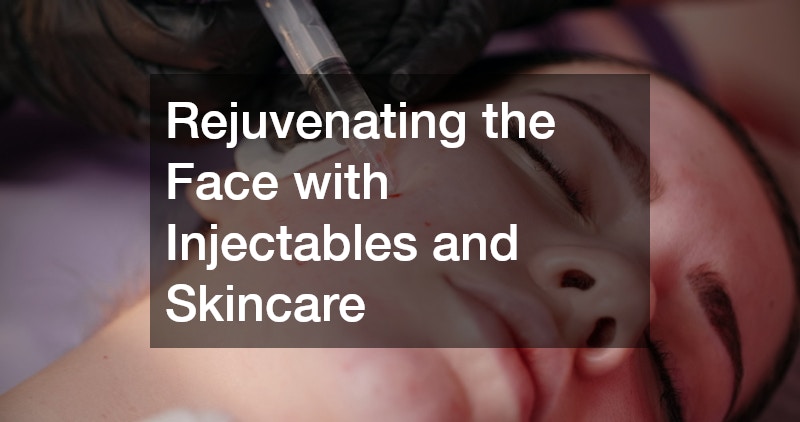
When combining different modalities, timing is everything. A common misconception is that you can get all your procedures done in a single afternoon. While convenient, this can be counterproductive and sometimes dangerous. There is a golden rule in aesthetic sequencing: space out heat-based or resurfacing treatments from your injectables. If you receive a deep laser resurfacing treatment on the same day as dermal fillers, the intense heat can potentially break down the newly injected product, neutralizing your investment.
Neuromodulators are fantastic for targeting dynamic wrinkles—the lines created by repetitive muscle movement, like frowning or squinting. By strategically utilizing Botox services, a practitioner can temporarily relax these hyperactive muscles. This not only smooths the immediate area but also prevents those lines from deepening into static wrinkles over time. Give your skin a few weeks to settle after these injections before moving on to heat-based therapies or volume replacement.
Revamping Your Smile for Immediate Impact
Correct Discoloration and Minor Chips First
When people think of anti-aging, they rarely think of their teeth. Yet, your smile is one of the most prominent features of your face, and it ages just like the rest of your body. Over the years, the hard, white outer layer of your teeth (enamel) naturally thins out. As it thins, the underlying dentin—which is naturally yellowish in color—begins to show through. Add to this decades of coffee, tea, and wine consumption, and the result is a dull, aged smile that instantly adds years to your appearance, regardless of how flawless your skin might be.
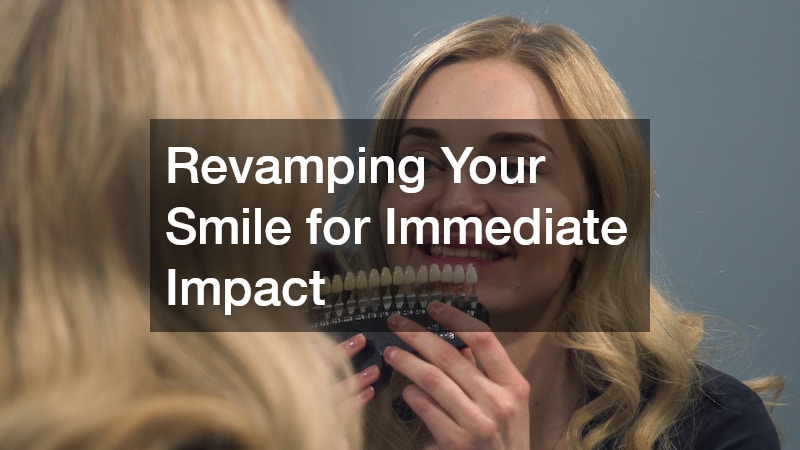
Before investing heavily in facial treatments, address the color and shape of your teeth. Finding a highly qualified cosmetic dentist is crucial here. You want a professional who understands facial symmetry and aesthetics, rather than someone whose sole focus is filling cavities. Professional, in-office whitening treatments can lift stains that over-the-counter strips simply cannot touch. Furthermore, minor chips and worn-down edges can be quickly corrected with composite bonding, restoring the youthful, rounded edges that teeth possess in our twenties.
Align Bite and Symmetry for Long-Term Facial Support
Beyond color, the structural alignment of your jaw and teeth provides critical support for the lower third of your face. As we age, teeth naturally shift inward and can become crowded. If you have missing back teeth or a collapsing bite, your lips will lose their structural support and begin to thin and roll inward. This can also exacerbate the appearance of jowls and deep marionette lines around the mouth.
Aesthetically focused dentistry provides structural support from the inside out. There are various tiers of cosmetic dentistry to consider depending on your needs. Clear aligner therapy can widen a narrow arch, giving you a broader, more youthful smile while simultaneously providing better support for your cheeks and lips. For more severe wear or discoloration, porcelain veneers might be the appropriate choice. By properly aligning your bite and restoring the natural length of your teeth, you can achieve a subtle “lift” to the lower face without ever touching a needle or a scalpel.
Revitalizing Your Hair’s Density and Tone

Choose Shades That Complement Your Current Skin Tone
Just as your skin changes over time, so should your approach to your hair. One of the most common aging mistakes is clinging to the exact same hair color you wore in your twenties. As we mature, our skin naturally loses some of its warmth and underlying pigment. A stark, flat, or overly dark hair color can create harsh shadows on the face, emphasizing fine lines, under-eye bags, and skin laxity. Conversely, hair that is too light or ashy can wash out a mature complexion, making you look tired and pale.
Adapting to these changes requires a sophisticated approach to color. Booking an appointment at a high-end hair coloring salon that specializes in mature hair is a wise investment. A skilled colorist will know how to add strategic, face-framing highlights to brighten your complexion and draw the eye upward. They can seamlessly blend gray hair using multi-dimensional lowlights rather than relying on a harsh, single-process color that leaves a stark root line every three weeks. Softening your color palette is often one of the quickest ways to instantly take years off your appearance.
Stimulate Follicle Growth Early to Prevent Further Thinning
Hair aging isn’t just about color; it is heavily about density and texture. Both men and women experience follicular miniaturization as hormone levels fluctuate over the decades. Hair strands become finer, the growth phase shortens, and the scalp becomes more visible. The harsh reality is that once a hair follicle has been dormant for too long, it is incredibly difficult to revive. The key to maintaining a youthful head of hair is to catch the thinning process early.
Do not wait until your hair has severely thinned to take action. Modern clinical hair restoration encompasses far more than just surgical transplants. Today, a multi-pronged approach is highly effective. Combining topical minoxidil, oral medications (like finasteride or spironolactone, under medical supervision), and clinical treatments like Platelet-Rich Plasma (PRP) therapy can yield incredible results. PRP involves drawing your own blood, isolating the growth factors, and injecting them directly into the scalp to stimulate dormant follicles. When utilized together, these therapies can produce a thicker, healthier, and more youthful hairline.
-
Actionable steps for hair vitality:
-
Transition to sulfate-free, hydrating shampoos to protect brittle, aging hair.
-
Ask your stylist for “money piece” highlights around the face to brighten your complexion.
-
Consult a dermatologist at the first sign of widening parts or a receding hairline.
-
Inquire about the benefits of PRP therapy or low-level laser light caps for follicle stimulation.
-
Refining Your Silhouette and Cellular Health

Target Stubborn Pockets of Fat After Reaching Your Goal Weight
As our metabolism naturally slows with age, body composition shifts. Even if you maintain the exact same weight on the scale that you did a decade ago, you will likely notice that fat redistributes itself, often settling stubbornly around the abdomen, flanks, or under the chin. These localized pockets of fat are notoriously resistant to both strict diets and rigorous exercise regimens.
It is vital to manage your expectations when seeking aesthetic solutions for your body. Fat reduction technologies are not, and should never be viewed as, weight-loss tools. They are the finishing touches for someone who is already close to their ideal weight. When selecting a body contouring service, you must choose the modality that matches your specific anatomy. Cryolipolysis (fat freezing) is excellent for distinct, pinchable bulges of fat. However, if your primary concern is loose, crepey skin alongside mild fat, a radiofrequency-based melting treatment might be more appropriate, as the heat simultaneously tightens the skin while destroying fat cells.
Boost Internal Collagen and Energy Levels
True anti-aging is not just about what you apply to the outside of your body; it is fundamentally about how your cells are operating on the inside. As we age, our internal production of vital proteins—specifically collagen and elastin—plummets. Furthermore, cellular turnover slows down, making recovery from workouts, injuries, and even aesthetic treatments much more sluggish. If you are fatigued and your cells are functioning poorly, no amount of superficial treatment will make you look truly vibrant.
Beauty and vitality must be supported from the inside out. This is where the emerging field of cellular optimization comes into play. For instance, incorporating local peptide therapy into your wellness routine can yield profound systemic benefits. Peptides are short chains of amino acids that act as signaling molecules in the body. Certain carefully prescribed peptides can naturally stimulate your pituitary gland to release more human growth hormone, which in turn accelerates tissue repair, improves skin elasticity, aids in fat loss, and dramatically boosts your daily energy levels. When your internal machinery is running efficiently, your external treatments yield significantly better, longer-lasting results.
Knowing When to Transition to Structural Enhancements

Evaluate the Limits of Non-Invasive Procedures
There is a pervasive myth in the aesthetic industry that if you just use enough filler, lasers, and threads, you can entirely avoid surgery. This is a misconception that needs gentle but firm correction. Non-invasive procedures are wonderful for addressing skin quality and mild volume loss, but they have strict, physical limits. When you are dealing with significant structural descent—such as the drooping of the SMAS (Superficial Musculoaponeurotic System) muscle layer in the lower face, or severe, hanging skin laxity on the neck—fillers are no longer the answer.
In fact, pushing the limits of non-invasive treatments past their logical endpoints often leads to disastrous aesthetic outcomes. Overfilling a face that actually needs structural lifting results in “pillow face”—a puffy, distorted, and unnatural appearance. Recognizing these diminishing returns is crucial. When you pull the skin beside your ear backward and upward, and the result is what you are trying to achieve with injectables, it is time to consult with a board-certified cosmetic surgeon. A specialist can honestly evaluate whether you have crossed the threshold where a surgical intervention, such as a lower facelift or a blepharoplasty (eyelid surgery), is the only way to achieve a natural, refreshed look.
Plan Significant Downtime for Maximum Recovery and Results
If you decide that surgical intervention is the correct path for your structural needs, you must plan accordingly. The reality of surgical recovery is that it is uncomfortable, requires patience, and demands strict adherence to post-operative instructions. You cannot simply have a facelift on a Friday and be back to hosting a dinner party on Monday. You must prepare your home with easy-to-eat meals, arrange for childcare or pet care, and prepare yourself mentally for the emotional rollercoaster that accompanies post-surgical swelling and bruising.
Furthermore, credentialing at this stage is absolutely non-negotiable. The aesthetic industry is unfortunately plagued by practitioners overstepping their qualifications. Do not settle for a practitioner who only holds a weekend certification in a specific procedure. You must ensure that the professionals you are consulting with are actual plastic surgeons who are board-certified by the American Board of Plastic Surgery. Verify that they operate in accredited surgical centers and hold operating privileges for that specific procedure at a local, reputable hospital. This guarantees that they have undergone the most rigorous, specialized training possible.
-
Critical considerations before surgery:
-
Consultation: Always get at least two to three opinions before committing to a surgical plan.
-
Before and Afters: Ask to see long-term (1 year+) post-op photos, not just photos taken 6 weeks after surgery when swelling is still artificially plumping the skin.
-
Health Optimization: Stop smoking and cease all blood-thinning supplements (like fish oil or high-dose Vitamin E) weeks before your procedure to ensure safe healing.
-
Realistic Expectations: Understand that surgery resets the clock, but it does not stop it. You will still continue to age post-surgery.
-
Pacing Yourself for Sustainable Results
The pursuit of a youthful appearance requires a marathon mentality, not a sprint. The most jarring, unnatural transformations usually happen when individuals rush into multiple aggressive procedures all at once out of panic. Anti-aging is a long-term commitment that requires thoughtful budgeting, strategic sequencing, and immense patience.
Rather than overhauling your entire appearance in a single month, work with your chosen professionals to map out a comprehensive 12-month treatment plan. Build your foundation with quality skincare and dental alignment, subtly restore volume and smooth dynamics with injectables, support your body internally with optimized wellness strategies, and only graduate to surgical options when the structural need truly arises. The ultimate goal is never to look like an entirely different person; the goal is to look like the most rested, vibrant, and confident version of yourself at every stage of your life.