

A road trip should be about scenery, snacks, and good playlists, not breakdowns, blowouts, or surprise repair bills. Every year, thousands of travelers find their plans derailed by preventable vehicle issues that could have been caught with a little preparation. Whether you are planning a weekend getaway or a cross-country adventure, understanding how to keep your vehicle safe and reliable is just as important as mapping your route.
This guide walks through the practical steps every traveler should take before, during, and after a long drive.
Getting Your Vehicle Ready Before You Hit the Road
Long drives put more strain on your car than daily commuting, so a pre-trip inspection is one of the smartest things you can do before loading up the trunk. Fluid levels, tire pressure, and battery health all deserve a quick check, but braking performance is especially critical when you are carrying extra passengers or cargo weight. Scheduling brake service a week or two before departure gives you time to address squeaky pads or soft pedal feel without rushing the process the night before you leave.
Many drivers assume their brakes are fine simply because the car stops, but subtle warning signs are easy to miss on short trips around town. Long descents, mountain passes, and unfamiliar traffic patterns will expose weak brakes quickly, often at the worst possible moment.
- Listen for grinding or squealing noises when braking
- Check for a spongy or soft brake pedal
- Have brake fluid levels and color inspected
- Ask a technician to check pad thickness and rotor condition
Don’t Overlook Your Windows and Visibility
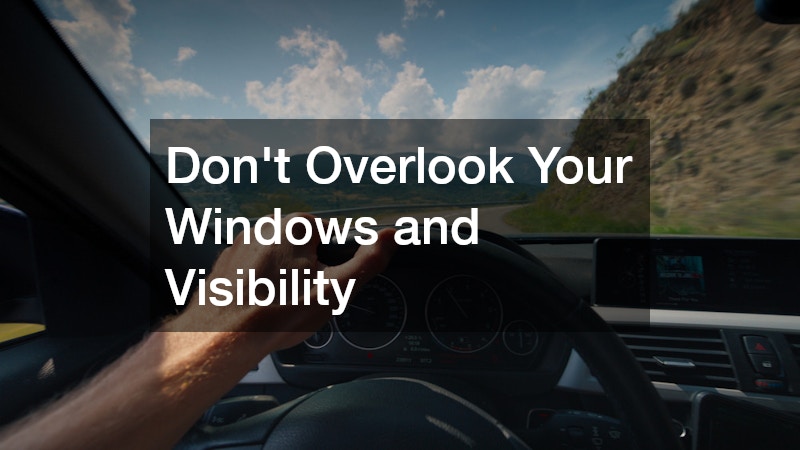
Visibility is one of the most underrated safety factors on a road trip, especially when driving into unfamiliar sun angles, rainstorms, or highway debris. A small chip in your glass can spread into a long crack after hours of temperature changes and vibration from rough roads. If you already have damage, getting your windshield replaced before departure is far safer than hoping it holds up for a thousand miles.
Cracked or pitted glass also scatters light at night, making oncoming headlights harder to judge and increasing eye strain on long stretches of highway. Wiper blades deserve attention too, since worn blades can leave streaks that reduce visibility during sudden downpours.
- Inspect glass for chips, cracks, or pitting before a long trip
- Replace wiper blades if they streak or skip
- Top off washer fluid, especially for bug season or dusty roads
- Keep a microfiber cloth handy for quick cleaning at rest stops
Climate Control Matters More Than You Think
A comfortable cabin temperature is not just about convenience; it directly affects driver alertness and reaction time. Overheated, drowsy drivers make more mistakes, and a poorly functioning cooling system can quickly turn a fun trip into a miserable one during summer travel. If your air has been blowing warm or weak, scheduling car AC repair before you leave can prevent a stressful discovery on a hot highway with no shade in sight.
Climate systems also play a role in keeping windows fog-free during sudden weather changes, which ties directly back to visibility and safety. A quick check of cabin air filters and refrigerant levels is a small investment compared to being stuck in traffic with no relief from the heat.
- Test airflow strength and temperature before departure
- Replace a dirty cabin air filter for better airflow and odor control
- Have refrigerant levels checked if cooling feels weak
- Address strange smells or noises from vents early
Protecting Your Vehicle’s Exterior for the Long Haul
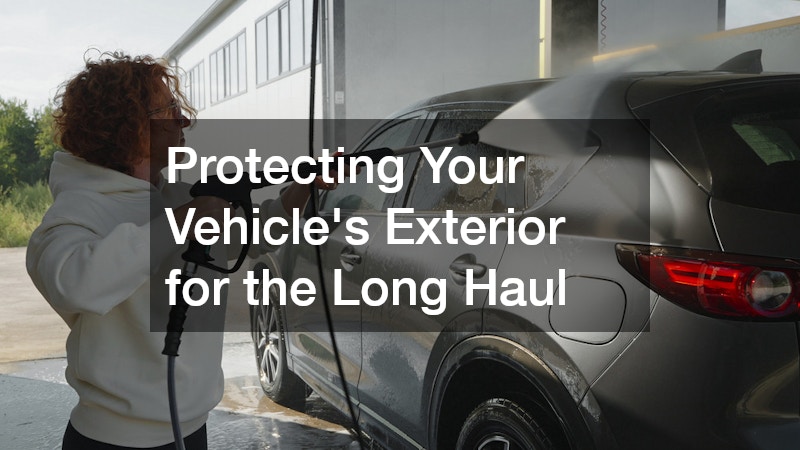
Road trips expose your car’s paint and body to gravel chips, bug splatter, bird droppings, and hours of direct sun exposure, all of which can accelerate wear over time. Applying car paint protection before a big trip helps shield the clear coat from minor abrasions and makes cleanup much easier once you reach your destination. This is especially useful for mountain routes or gravel roads where rock chips are common.
If you already have dents, scratches, or fading paint, visiting an auto body repair shop before your trip can address cosmetic issues while also catching hidden structural damage that might not be obvious at a glance. Small dents can sometimes hide bent panels or compromised alignment, which is worth confirming before a long-distance drive.
- Wash and wax the exterior before extended sun exposure
- Address existing dents or scratches before they worsen
- Ask about protective films for high-impact areas like the hood and mirrors
- Inspect for rust spots, especially on older vehicles
Towing Trailers and Hauling Gear Safely
Many road trips involve more than just a car, whether it’s a small camper, a boat, or a cargo trailer packed with gear. If you are shopping for equipment, reputable trailer dealers can help you choose the right hitch weight, brake system, and axle configuration for your specific vehicle and travel plans. Mismatched trailer weight is one of the most common causes of swaying and loss of control on highways.
Vehicles that tow heavy loads, particularly trucks and larger SUVs, often rely on diesel engines that need specialized attention before long hauls. A qualified diesel engine mechanic can check compression, fuel filters, and cooling system performance to make sure the engine can handle sustained highway speeds under load. Skipping this step is risky, since diesel engines under strain generate more heat and stress than they do during everyday driving.
- Confirm your vehicle’s towing capacity before hitching a trailer
- Check trailer tires, lights, and brake connections before departure
- Distribute cargo weight evenly to prevent trailer sway
- Have the tow vehicle’s cooling and fuel systems inspected beforehand
What to Do If Wheel or Tire Trouble Strikes
Potholes, curbs, and rough backroads can bend rims or throw wheels out of balance faster than most drivers expect. A bent rim might seem like a minor cosmetic issue, but it often leads to slow air leaks, uneven tire wear, or vibration that worsens over hundreds of miles. Even a seemingly small impact at highway speed can knock a wheel out of alignment by a fraction of an inch, which is enough to create a noticeable shimmy in the steering wheel.
After hitting a hard bump, pull over when it’s safe and do a quick visual check. Look for obvious dents or cracks in the rim, listen for hissing that signals air escaping, and note any new pulling sensation when braking. If the tire looks low or the car drifts to one side, treat it as a warning sign rather than something to ignore until the next fuel stop.
Prompt rim and wheel repairs after hitting a hard bump can prevent a small imperfection from turning into a blowout on the highway. Waiting too long is risky: a bent rim under continued driving can wear through a tire’s sidewall in a matter of days, and repair costs tend to climb once misalignment starts damaging suspension components too. Getting it inspected at the first available shop, rather than pushing through to the next state line, is almost always the cheaper and safer choice.
Tire pressure should be checked cold, ideally before you start driving each day, since temperature swings during travel can significantly affect readings—each 10°F drop can lower pressure by roughly 1 PSI. Use a reliable gauge rather than guessing from the tire’s appearance, and match pressure to the number on the driver’s door jamb, not the tire’s sidewall maximum.
Uneven wear patterns are also worth noting, since cupping, feathering, or wear concentrated on one edge often point to alignment, balancing, or suspension issues. These problems should be addressed before a long trip rather than during one, since they tend to worsen under sustained highway speeds.
- Check tire pressure every morning during multi-day trips, using the PSI listed on the driver-side door jamb, not the number on the tire itself
- Inspect rims for visible bends, cracks, or corrosion, especially after hitting potholes or curbs
- Rotate tires before departure if wear is uneven, following a front-to-back pattern unless your vehicle requires a cross pattern
- Keep a portable tire inflator or plug kit in the trunk, and test it at home first so you’re not learning how it works on the roadside
- Pack a reliable tire pressure gauge, since built-in dashboard sensors can be slow to register slow leaks
- If a tire blows while driving, ease off the accelerator gradually and steer straight rather than braking hard or swerving
- Know your spare tire’s limitations, as many compact spares are rated for lower speeds (typically under 50 mph) and shorter distances
Planning for Roadside Emergencies
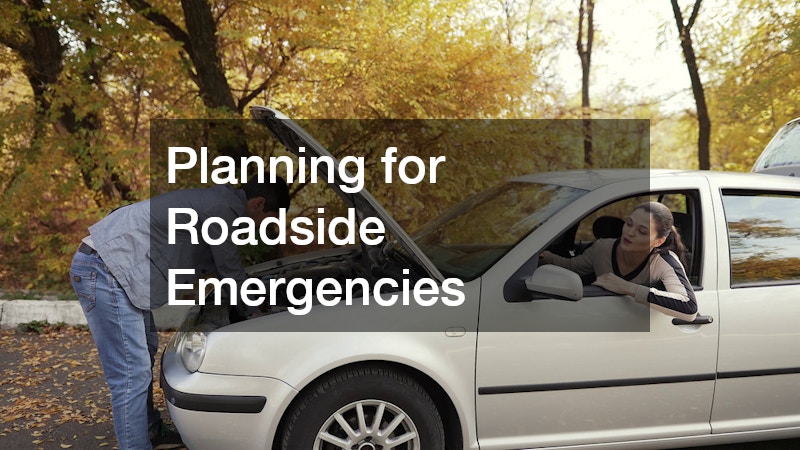
Even a well-maintained vehicle can experience an unexpected breakdown, especially on unfamiliar roads or in extreme weather. Knowing the number for a reliable towing company before you leave home saves precious time if something goes wrong in an area you don’t recognize. Many roadside assistance programs offer nationwide coverage, which is worth confirming before a long-distance trip.
It also helps to know your vehicle’s exact location features, since modern GPS apps can share coordinates with responders far more accurately than a vague description of a highway exit. Keeping your phone charged and a backup power bank in the car ensures you can make that call even if you’ve been stranded for a while.
- Save roadside assistance numbers before departure
- Confirm whether your coverage includes trailers or RVs
- Keep a portable phone charger in the glovebox
- Note mile markers or exit numbers as you travel for faster location sharing
Insurance Coverage Every Traveler Should Verify
Before any long trip, it is worth taking a few minutes to review your policy details rather than assuming everything is covered. Automotive insurance policies vary widely in terms of rental car reimbursement, roadside assistance, and out-of-state accident coverage, and gaps often go unnoticed until they matter most. Calling your provider ahead of time to clarify these details can prevent costly surprises if an accident or breakdown happens far from home.
It’s also smart to keep a physical or digital copy of your insurance card and policy number accessible, since some states require proof of coverage during traffic stops or accident reports. Reviewing deductibles and coverage limits ahead of time helps you make quicker, calmer decisions if something goes wrong on the road.
- Confirm coverage for accidents occurring outside your home state
- Check whether rental car reimbursement is included
- Verify roadside assistance limits and mileage caps
- Keep digital and printed copies of your insurance information
Packing Smart and Staying Prepared on the Road

A well-packed emergency kit can make a real difference when something unexpected happens miles from the nearest town. Beyond the basics like water and snacks, having tools for minor repairs and communication can keep small problems from becoming major delays.
Consider packing a portable phone charger, jumper cables, a flashlight with extra batteries, duct tape, and a basic tool kit for quick roadside fixes. A first-aid kit, a spare tire with a working jack, and at least one gallon of water per person can cover the essentials many drivers overlook. For longer trips, a paper map or offline GPS app is worth having in case cell service drops in remote areas.
Preparation here is less about worst-case scenarios and more about peace of mind during long stretches of unfamiliar highway. Taking twenty minutes before departure to check that everything is stocked and easy to reach can save hours of stress later.
Weather changes quickly across regions, so packing for temperature swings and sudden storms is just as important as any mechanical checklist. A 20°F drop overnight, an unexpected downpour, or a sudden dust storm can catch even experienced drivers off guard.
Layered clothing, a compact rain jacket, and a spare blanket take up little space but solve most weather surprises. Keep a small emergency kit on hand too—flashlight, extra phone charger, basic first aid supplies, and a few days’ worth of water and snacks.
A little planning before departure often makes the difference between a minor inconvenience and a ruined trip. Checking regional forecasts for each leg of the route, rather than just the starting point, helps travelers anticipate conditions before they become a problem.
- Pack a first aid kit with bandages, antiseptic wipes, pain relievers, and any personal medications, plus a flashlight and extra batteries
- Bring jumper cables or a portable jump starter, and check your spare tire pressure before leaving
- Store an extra phone charger (car and portable battery packs both work) and paper maps as backup for dead zones
- Keep blankets and weather-appropriate clothing in the trunk, especially in winter or when crossing varied climates
- Include a basic tool kit, duct tape, and a tire pressure gauge for minor roadside fixes
- Carry bottled water and non-perishable snacks in case you’re stranded for several hours
Conclusion
Road trip safety comes down to preparation, awareness, and knowing who to call when something unexpected happens. By addressing your vehicle’s mechanical needs, protecting its exterior, and confirming your coverage before you leave, you set yourself up for a smoother, safer journey. Take the time now to check these items off your list so you can spend less time worrying about your car and more time enjoying the trip ahead.