

Walk through any well-preserved historic district and you will notice the brick sidewalks, gas lamp style streetlights, and carefully restored facades. What most visitors never think about is the aging network of pipes, wires, and mechanical systems working beneath their feet to keep those buildings livable and code compliant. Property owners in these districts face a unique challenge: maintaining modern functionality while preserving historic character, often without the luxury of simply tearing out old systems and starting fresh. Understanding what runs behind the scenes can help residents, business owners, and curious visitors appreciate why these neighborhoods require specialized care.
Underground Utility Lines and Their Age
Many historic districts were built before modern utility standards existed, which means electrical, water, and gas lines were often installed in phases over decades. Some neighborhoods still have a patchwork of cast iron water mains from the early 1900s running alongside newer PVC replacements, creating inconsistent pressure and occasional leaks. Utility crews working in these areas have to proceed carefully since digging can disturb fragile infrastructure or unexpectedly hit undocumented lines.
Because records from decades past are often incomplete or hand drawn, cities frequently rely on ground penetrating radar and careful excavation to map what actually exists below the street. This slower, more deliberate process protects both the historic streetscape and the safety of workers and residents.
- Cast iron and clay pipes are common in districts built before 1940
- Utility maps may be outdated or missing entirely in older sections of town
- Repairs often require hand digging near building foundations to avoid damage
- Some cities maintain historic utility archives specifically for these neighborhoods
Stormwater Drainage and Flood Prevention
Historic districts frequently sit on lower or older grading plans, which means stormwater management was designed for rainfall patterns and building density from a different era. As surrounding areas developed and added more pavement, runoff volume increased significantly, putting pressure on drainage systems never designed to handle it. Flooding in these areas is rarely about one bad storm; it is usually the cumulative effect of aging culverts, undersized catch basins, and tree roots infiltrating old drainage pipes.
Many preservation commissions now require stormwater studies before approving new construction nearby, since even a single new building can shift how water moves through a block. Residents sometimes notice chronic puddling or basement seepage long before city crews identify the root cause, so reporting patterns early can speed up repairs.
- Tree roots are a leading cause of blocked historic storm drains
- Permeable pavers are increasingly used to reduce runoff in these districts
- Basement flooding often traces back to clogged or collapsed drainage lines
- Some cities have dedicated stormwater teams for historic zones
Wastewater Systems for Older Commercial Buildings
Restaurants, inns, and retail shops housed in converted historic buildings often rely on wastewater systems that were never designed for their current use. A building that was once a single family residence might now serve dozens of customers daily, placing far more strain on pipes and, in some cases, septic infrastructure than the original design intended. This mismatch between old infrastructure and modern commercial demand is one of the most overlooked maintenance issues in historic business districts.
For properties not connected to municipal sewer lines, routine commercial septic system pumping becomes essential to prevent backups that could damage historic flooring, plaster walls, or antique fixtures that are expensive or impossible to replace. Business owners in these buildings often work with specialists who understand both modern wastewater needs and the structural sensitivities of older construction. Skipping regular maintenance can lead to costly emergency repairs that disrupt business operations and risk damage to irreplaceable architectural details.
- Commercial kitchens generate significantly more wastewater than residential use
- Septic systems in converted buildings may be undersized for current occupancy
- Regular pumping schedules help avoid emergency shutdowns during business hours
- Older plumbing materials can be more vulnerable to pressure from backups
Electrical Grid Upgrades Behind Historic Facades
Preserving a building’s exterior often means getting creative with electrical upgrades, since modern code requirements must be met without altering visible architectural details. Electricians frequently route new wiring through basements, attics, or specially built chases to avoid disturbing original plaster or woodwork. This hidden work is labor intensive and typically costs more than standard residential electrical updates because of the extra care required.
Many historic districts have also seen a shift toward underground electrical lines to reduce the visual clutter of overhead wires and poles, which can detract from a street’s historic appearance. These conversions are expensive and slow, often completed block by block over several years rather than all at once.
- Knob and tube wiring is still found in some unrenovated historic buildings
- Underground conversions reduce storm related power outages
- Electrical panels are often hidden in closets or basements to preserve facades
- Permitting for electrical work in historic zones usually involves extra review steps
Sidewalk and Street Foundation Maintenance
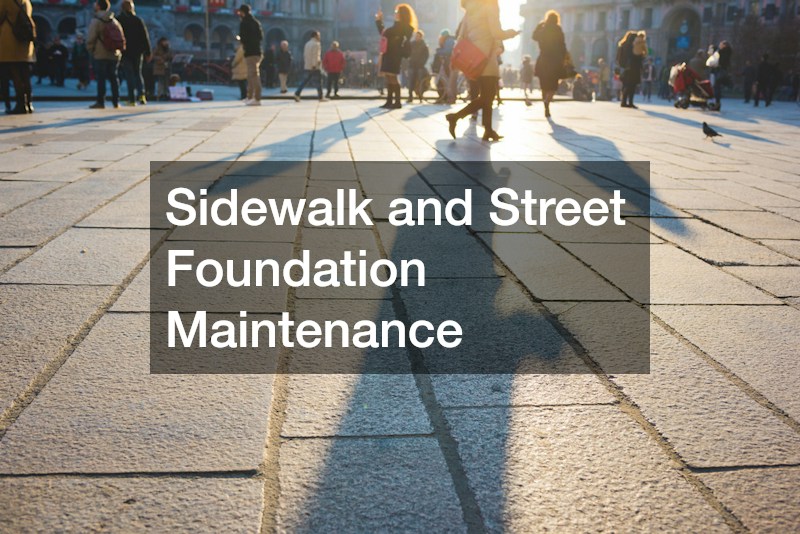
The brick or stone sidewalks that give historic districts their charm require more upkeep than standard concrete, since individual pavers can shift, crack, or settle unevenly over time. City maintenance crews often have to source matching materials from salvage yards or specialty suppliers when repairs are needed, which can extend project timelines considerably. Beneath these surfaces, the base layers also need periodic attention to prevent the kind of settling that creates tripping hazards.
Tree roots, freeze thaw cycles, and decades of foot traffic all contribute to gradual wear that is easy to overlook until a problem becomes visible. Preservation guidelines typically require that repairs match the original material and pattern, which adds complexity compared to simply pouring new concrete.
- Salvaged brick is often reused to maintain historical accuracy
- Freeze thaw cycles accelerate paver shifting in colder climates
- Root barriers can help protect sidewalks near mature street trees
- Repair permits in historic districts often specify approved materials
The next time you admire a historic district’s charm, remember that its smooth operation depends on infrastructure most people never see. Whether it is aging water lines, stormwater systems, or wastewater management for older commercial buildings, these hidden components require consistent attention to keep the district both functional and beautiful. If you own or manage a property in one of these areas, staying proactive about maintenance schedules and working with specialists familiar with historic construction will save you time, money, and unnecessary stress down the road.