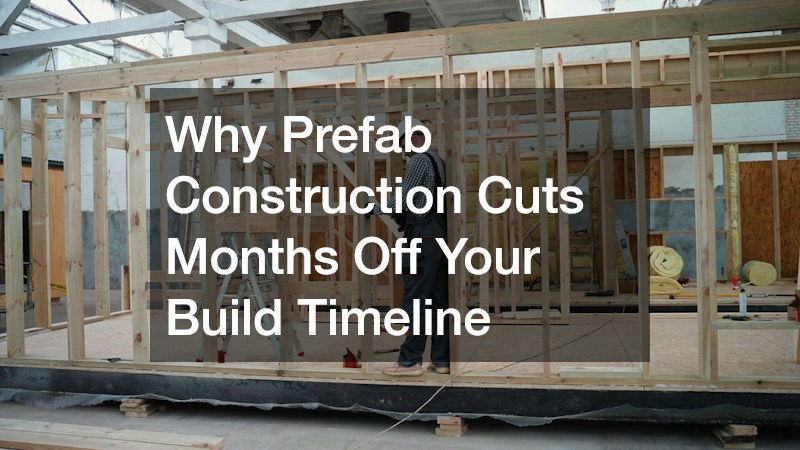

A traditional home build that stretches past a year can wear down even the most patient homeowner. Storms stall framing, subcontractors juggle overlapping jobs, and a single late shipment can push your move-in date back by weeks. If you want a faster route to a finished home without cutting corners on quality, prefab construction deserves a close look. It changes the order in which work gets done, so a large share of your home is built before crews ever break ground on your lot. Knowing where those time savings come from makes it easier to judge whether prefab fits your project.
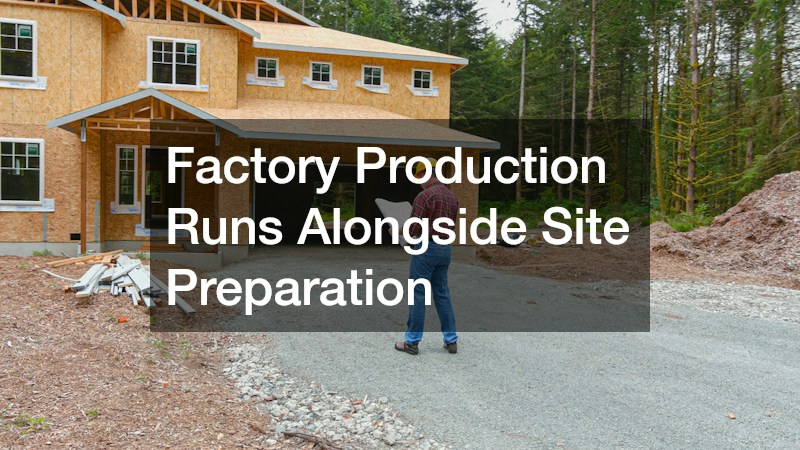
Factory Production Runs Alongside Site Preparation
The biggest scheduling advantage of prefab construction is that two major phases happen at the same time rather than in sequence. While your lot is cleared and graded, your foundation is poured, and your utilities are brought in, your wall panels, floor systems, and roof trusses are already taking shape inside a production facility. In a conventional build, structural work cannot start until site work wraps up, and that handoff is where many projects lose weeks.
Site preparation itself has become more efficient, too. Graders, dozers, and loaders shape building pads and driveways using replaceable steel and carbide blade edges that take a beating from rock, clay, and compacted soil. Advances in cutting edge manufacturing, the specialized production of these hardened wear edges for earthmoving and industrial equipment, mean blades hold their profile longer and need fewer changeouts mid-job. Less downtime for equipment maintenance helps site crews keep pace with the factory schedule.
With site and factory work running in parallel, neither crew waits on the other. It is common for this overlap alone to trim weeks or even months from the total schedule, which is a large part of why prefab homes often go from signed contract to move-in far sooner than site-built homes.
Controlled Environments Prevent Common Weather Delays
Rain, snow, extreme heat, and strong winds are among the most common reasons a construction schedule slips. When components are built indoors, those factors largely disappear. Factory crews can work the same steady hours day after day no matter what the forecast says, and that consistency gives homeowners a completion date they can actually plan around.
Indoor production also protects materials, which affects quality as much as speed. On an open job site, lumber and insulation can soak up moisture, leading to warping, mold concerns, and repairs that eat into both budget and schedule. Inside a facility, materials stay dry and stable from the first cut through final quality checks.
- No workdays lost to storms, freezing temperatures, or extreme heat
- Lower risk of moisture damage to framing, drywall, and insulation before installation
- Stable indoor temperatures that help adhesives bond and finishes cure properly
- Fewer weather-related delays that throw off subcontractor schedules
Streamlined Material Ordering Reduces Supply Bottlenecks
On a traditional build, one missing delivery of windows, cabinets, or fixtures can hold up every trade lined up behind it. Prefab manufacturers usually buy materials in volume on a schedule tied to their production calendar, which makes those holdups far less likely. Since the same components go into build after build, suppliers can forecast demand accurately and keep orders moving.
Materials also flow to one central facility instead of being shipped piecemeal to scattered job sites. Fewer deliveries mean fewer opportunities for lost paperwork, backorders, or damaged goods to derail your timeline. For homeowners, that adds up to fewer unpleasant surprises and a more dependable finish date.
Standardized Processes Minimize On-Site Errors
On a conventional job site, a miscut beam or a wiring mistake often means tearing out completed work and redoing it, which can add days or weeks. Prefab components are built to detailed specifications using repeatable methods, so the same measurements and techniques carry through every unit. That consistency cuts down sharply on the errors that cause rework.
Factory crews also rely on computer-guided saws, measuring systems, and assembly stations that deliver a level of accuracy that is hard to match by hand on a busy site. Quality checks happen at each station, so problems are caught before a wall panel or roof section ever ships. Components arrive ready to install rather than needing to be trimmed, shimmed, or corrected in the field.
Faster Permitting and Inspection Processes Support Timelines
Permitting can move more quickly with prefab construction because many factory-built components are certified to meet building codes before they leave the plant. Inspectors are reviewing assemblies that have already passed quality checks during production instead of evaluating every element from scratch on site. Fewer surprises at inspection usually mean fewer stop-work orders and fewer revisions.
As prefab building becomes more common, local jurisdictions are growing more familiar with the process, and approvals are getting smoother in many areas. Requirements still vary from place to place, so it pays to contact your local building department early. Knowing what documentation you need ahead of time helps you avoid last-minute scrambles that could slow things down.
Shorter On-Site Assembly Shrinks the Final Construction Phase
Once the factory-built sections reach your property, the job shifts from building components to setting and connecting them, and that goes much faster. With a crane and an experienced crew, major structural sections can often be placed in a matter of days, compared with the weeks it takes to frame a house stick by stick. This short assembly window is one of the clearest examples of how prefab construction saves time.
Utility hookups, interior finishes, and exterior details still call for skilled trades and careful work. But with most of the structure already complete, those remaining tasks are easier to scope and schedule accurately. By the time assembly begins, most homeowners have a solid idea of when they will be moving in.
Prefab construction shortens build timelines by addressing delays where they start, from weather and supply problems to on-site mistakes and one-after-another scheduling. If getting into your new home sooner appeals to you, start by researching reputable prefab builders in your area and asking specific questions about their production process and typical timelines. A little comparison shopping now could have you settled into a well-built home months earlier than you expected.