
Key Takeaways
- Regular sweeping, dust mopping, and careful vacuuming help prevent dirt and debris from scratching hardwood floors.
- Excess moisture is one of the biggest threats to hardwood flooring, so spills should be cleaned immediately and wet mopping should be avoided.
- Using furniture pads, area rugs, and entry mats can significantly reduce scratches, dents, and everyday wear.
- Maintaining proper indoor humidity levels helps prevent hardwood floors from expanding, shrinking, cracking, or warping.
- Routine inspections and prompt repair of minor scratches or damage can help extend the life of hardwood flooring.
- Protective measures during home improvement projects can prevent costly floor damage from tools, dust, and heavy foot traffic.
- Consistent maintenance and proper cleaning methods help preserve the beauty, durability, and value of hardwood floors for many years.
Hardwood floors are one of the most popular flooring choices in homes. They offer natural beauty, warmth, and timeless appeal that can complement nearly any design style. Whether installed in a modern home, a traditional house, or a historic property, hardwood flooring often adds character and value.
However, hardwood floors require proper care to maintain their appearance and durability. Dirt, moisture, furniture movement, pet nails, and daily foot traffic can gradually wear down the finish and damage the wood underneath. Without regular maintenance, even high-quality hardwood floors can lose their shine and develop scratches, stains, or other problems.
The good news is that caring for hardwood floors does not have to be difficult. With the right cleaning methods and preventive measures, homeowners can keep their floors looking beautiful for many years.
This guide explains how to clean hardwood floors properly, avoid common mistakes, and protect them from everyday wear and tear.
Why Hardwood Floors Need Special Care
Unlike tile, vinyl, or laminate flooring, hardwood is a natural material.
Wood expands and contracts in response to:
- Humidity
- Temperature changes
- Moisture exposure
Because of this, hardwood floors require different cleaning and maintenance techniques than other flooring types.
Improper care can lead to:
- Scratches
- Warping
- Discoloration
- Water damage
- Finish deterioration
Understanding the needs of hardwood flooring helps homeowners avoid costly repairs later.
Know What Type of Hardwood Floor You Have
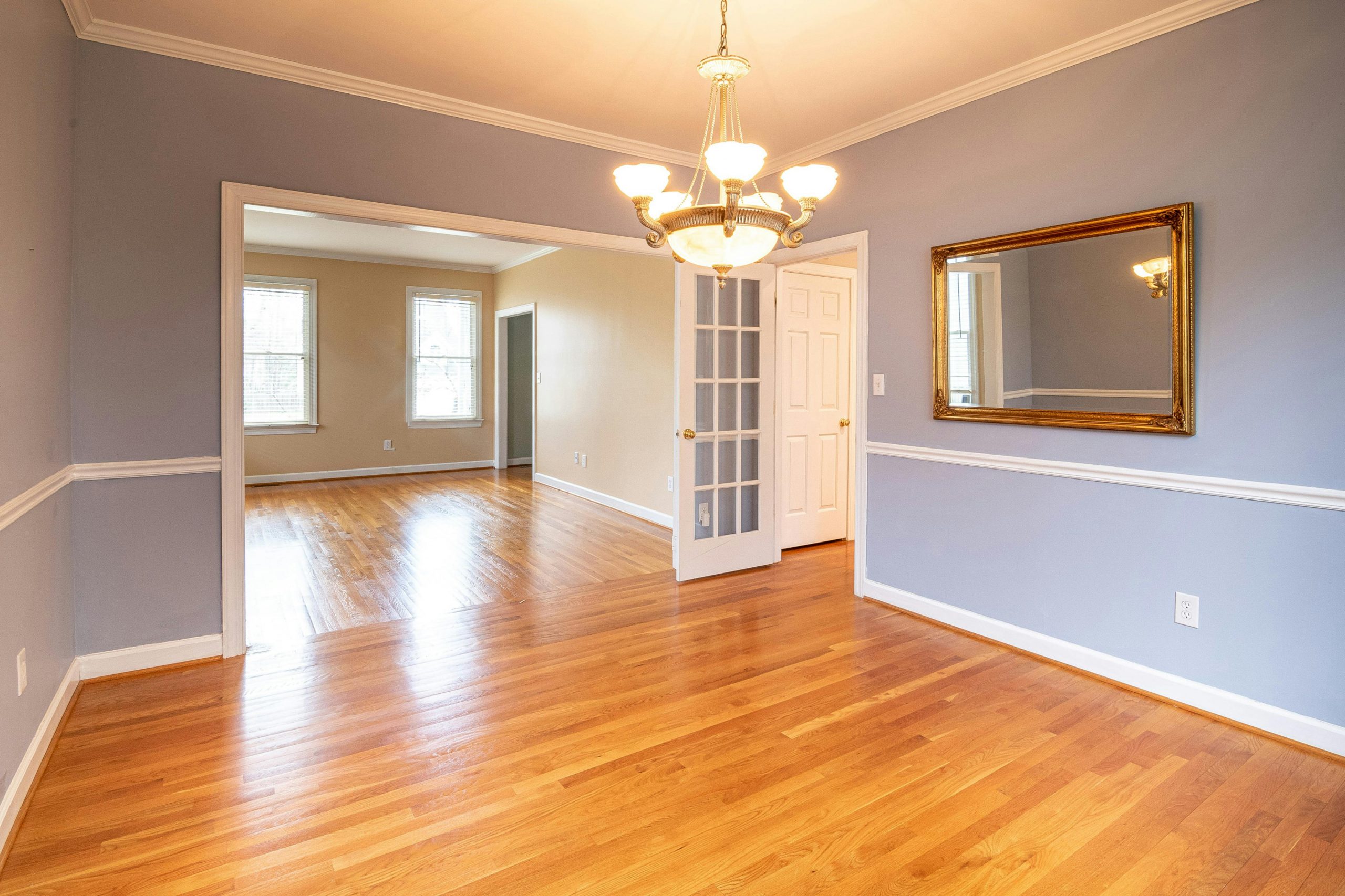
Before cleaning hardwood floors, it is important to understand the type of finish they have.
Common hardwood floor finishes include:
- Polyurethane
- Oil-based finishes
- Wax finishes
- Penetrating sealers
Different finishes may require different cleaning products and techniques.
If you are unsure about your floor type, check:
- Installation documents
- Manufacturer recommendations
- Professional flooring advice
Using the wrong products can sometimes damage protective finishes.
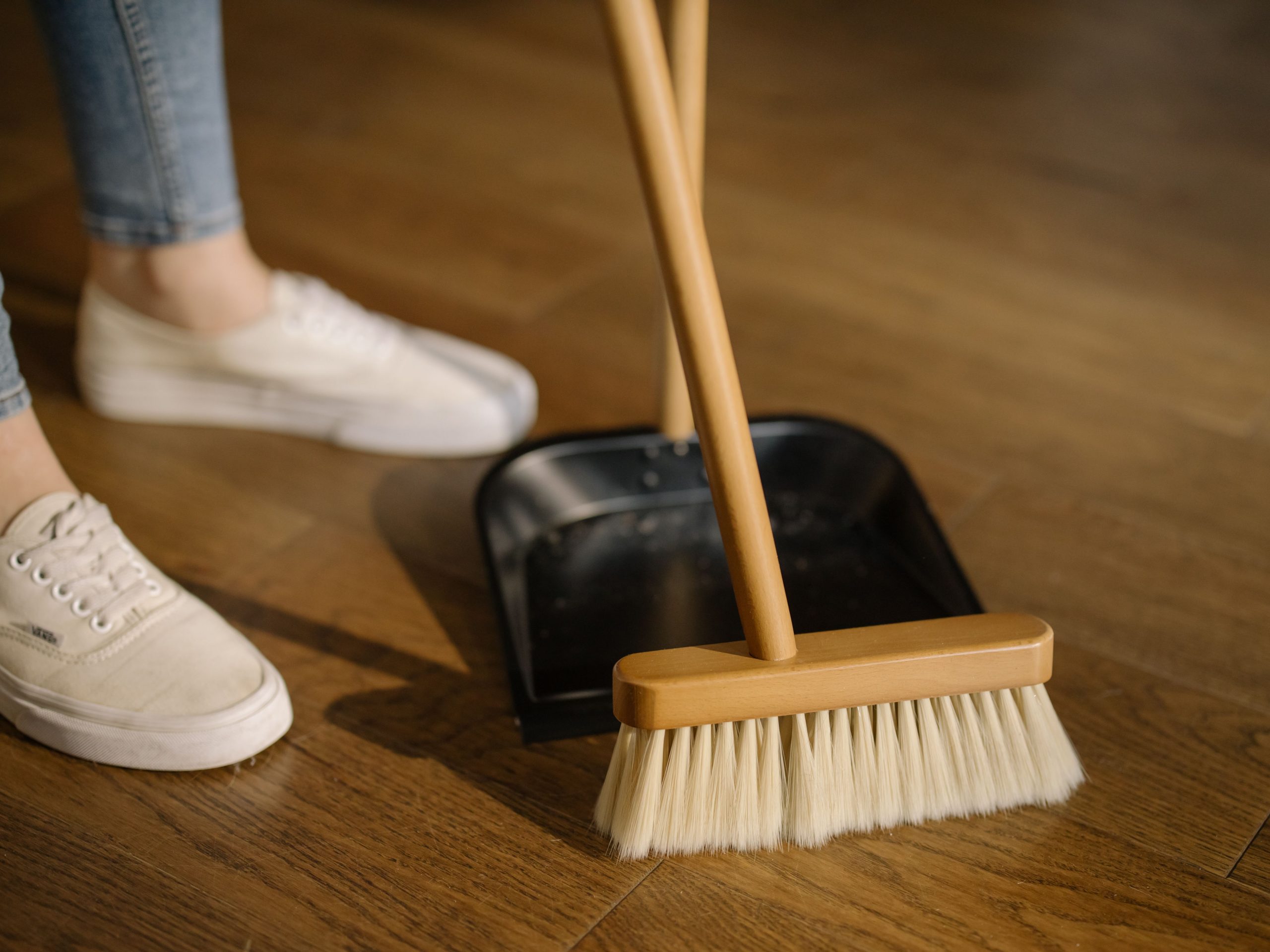
Sweep or Dust Daily
Dust, dirt, and small debris can act like sandpaper on hardwood floors.
As people walk across the floor, these particles may create:
- Fine scratches
- Dull spots
- Surface wear
Best Daily Cleaning Tools
- Microfiber dust mops
- Soft-bristle brooms
- Hardwood floor dusters
Avoid stiff brooms that may scratch the finish.
Regular dust removal is one of the easiest ways to protect hardwood floors.
Vacuum Carefully
Vacuuming helps remove dirt that sweeping may miss.
However, not all vacuums are suitable for hardwood flooring.
Features to Look For
- Hardwood floor setting
- Soft wheels
- Brush roll shutoff
Avoid vacuums with aggressive rotating brushes that may scratch the floor surface.
Vacuuming once or twice weekly helps reduce dirt buildup.
Clean Spills Immediately
Moisture is one of hardwood flooring’s biggest enemies.
Spills should never be left sitting on the floor.
Common Problem Liquids
- Water
- Juice
- Coffee
- Pet accidents
- Cleaning solutions
Prompt cleanup helps prevent:
- Stains
- Warping
- Discoloration
Use a soft cloth or microfiber towel to absorb spills immediately.
Use the Right Hardwood Floor Cleaner
Not all cleaning products are safe for hardwood flooring.
Some harsh cleaners can:
- Strip finishes
- Leave residue
- Damage wood
Safe Cleaning Products
- Hardwood floor cleaners
- Manufacturer-approved products
- pH-balanced cleaners
Always follow label instructions carefully.
When trying a new product, test it in an inconspicuous area first.
Avoid Excess Water
One of the most common hardwood floor mistakes is using too much water.
Traditional wet mopping can cause moisture to seep into:
- Seams
- Cracks
- Wood grain
Over time, this may lead to:
- Swelling
- Warping
- Buckling
Better Cleaning Method
Use:
- Damp microfiber mops
- Lightly misted cleaning pads
The mop should feel slightly damp, not soaking wet.
Create a Regular Cleaning Schedule
Consistent maintenance helps prevent major problems.
Daily Tasks
- Dust mop
- Sweep high-traffic areas
- Wipe up spills
Weekly Tasks
- Vacuum carefully
- Damp mop if needed
Monthly Tasks
- Inspect for damage
- Clean under furniture
- Check protective pads
Routine cleaning keeps floors looking their best while reducing long-term wear.
Protect Floors With Entry Mats
A large amount of floor damage starts at entryways.
Shoes often bring in:
- Dirt
- Sand
- Rocks
- Moisture
Best Locations for Mats
- Front doors
- Back doors
- Garage entrances
Entry mats help capture debris before it reaches hardwood surfaces.
Encouraging family members to remove shoes indoors can provide additional protection.
Use Furniture Pads
Furniture can easily scratch hardwood floors.
Chairs, tables, and couches may create damage when moved.
Recommended Protection
- Felt pads
- Furniture glides
- Rubber protectors
Inspect pads regularly and replace worn ones when necessary.
These inexpensive accessories can prevent many scratches.
Control Indoor Humidity
Wood naturally reacts to humidity changes.
Excessive humidity may cause:
- Expansion
- Buckling
- Warping
Low humidity may lead to:
- Shrinking
- Gaps
- Cracking
Ideal Indoor Humidity
Many experts recommend maintaining indoor humidity between:
- 30%
- 50%
Using humidifiers or dehumidifiers may help maintain stable conditions.
Trim Pet Nails Regularly
Pets can accidentally scratch hardwood floors.
Long nails may leave:
- Surface scratches
- Gouges
- Dents
Regular grooming helps reduce floor damage.
Pet owners may also consider:
- Area rugs
- Floor runners
- Pet mats
These provide additional protection in high-traffic areas.
Rearrange Furniture Carefully
Dragging heavy furniture across hardwood flooring can create serious damage.
Safer Furniture Moving Tips
- Lift items when possible
- Use furniture sliders
- Get help with heavy pieces
Taking a few extra minutes can prevent costly floor repairs.
Use Area Rugs Strategically
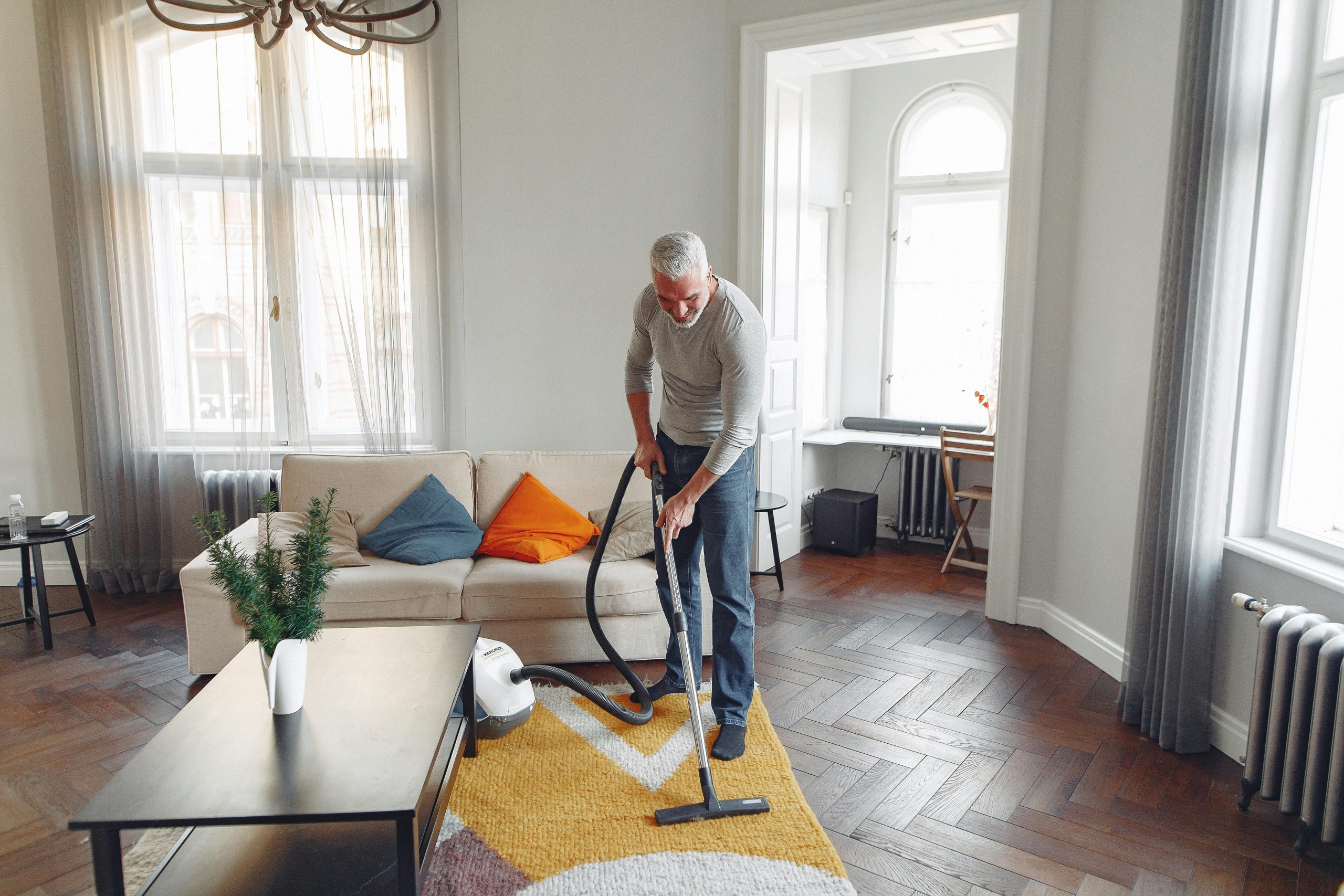
Area rugs help protect hardwood floors in busy areas.
Popular rug locations include:
- Hallways
- Living rooms
- Dining rooms
- Entryways
Benefits of Rugs
- Reduce scratches
- Minimize wear
- Add comfort
- Improve appearance
Use rug pads underneath to prevent slipping and additional floor damage.
Avoid High Heels and Heavy Impact
Certain footwear can damage hardwood floors.
High heels may create:
- Dents
- Surface damage
Heavy objects dropped on the floor can also cause:
- Chips
- Cracks
- Gouges
Being mindful of impact helps preserve flooring condition.
Address Scratches Early
Small scratches often become more noticeable over time.
Minor Scratch Solutions
- Hardwood touch-up markers
- Wood repair kits
- Floor polish
Early treatment can improve appearance and prevent further deterioration.
Recoat Floors When Needed
Protective finishes gradually wear down.
Signs a floor may need recoating include:
- Dull appearance
- Increased scratching
- Reduced shine
Recoating restores protection without requiring complete refinishing.
A flooring professional can help determine the best timing.
Understand Refinishing Options
Eventually, some hardwood floors may require refinishing.
Refinishing typically involves:
- Sanding
- Staining
- Applying new finish
This process removes surface damage and restores appearance.
Many hardwood floors can be refinished multiple times throughout their lifespan.
Watch for Signs of Water Damage
Water damage should never be ignored.
Common Warning Signs
- Cupping boards
- Warping
- Discoloration
- Soft spots
- Mold growth
Addressing moisture issues early often prevents more extensive repairs.
Clean Under Furniture Occasionally
Dust and debris often accumulate under furniture.
These hidden particles may contribute to scratches when furniture moves.
Periodically cleaning under:
- Sofas
- Beds
- Tables
- Cabinets
helps reduce wear.
Choose Cleaning Tools Carefully
Not all cleaning tools are hardwood-friendly.
Avoid
- Steam mops
- Wire brushes
- Abrasive pads
- Harsh scrubbers
Use Instead
- Microfiber mops
- Soft cloths
- Hardwood-safe vacuums
Gentle tools help preserve floor finishes.
Protect Floors During Renovations
Home improvement projects can easily damage hardwood floors.
Dust, tools, paint, and construction materials may create scratches or stains.
When planning renovations for older houses, protecting existing hardwood flooring should be a priority.
Consider:
- Floor coverings
- Protective paper
- Temporary barriers
Preventive protection is often much easier than repairing damage afterward.
Manage Renovation Traffic Carefully
Workers, tools, and materials often increase floor wear during projects.
Homeowners learning how to manage renovation projects should include flooring protection in their planning.
Helpful strategies include:
- Designated walkways
- Protective coverings
- Shoe covers
- Daily cleanup routines
Careful planning reduces the risk of accidental floor damage during remodeling.
Keep Sunlight in Mind
Direct sunlight can fade hardwood floors over time.
Areas exposed to strong sunlight may develop uneven coloring.
Ways to Reduce Sun Damage
- Curtains
- Blinds
- UV-filtering window film
- Rotating rugs periodically
Protecting floors from UV exposure helps preserve color consistency.
Avoid Wax Unless Recommended
Modern hardwood floors often do not require wax.
Using wax on certain finishes may:
- Create buildup
- Cause discoloration
- Complicate future refinishing
Always follow manufacturer recommendations regarding wax use.
Seasonal Hardwood Floor Care
Different seasons create different maintenance needs.
Winter
- Watch for road salt
- Remove snow and moisture quickly
Spring
- Clean accumulated dirt
- Check for water damage
Summer
- Monitor humidity levels
- Protect from UV exposure
Fall
- Remove leaves and debris from entryways
Seasonal care helps reduce long-term wear.
Know When to Call a Professional
Some floor problems require expert attention.
Consider professional help for:
- Deep scratches
- Major water damage
- Loose boards
- Extensive refinishing
Professional maintenance can help restore floors and extend their lifespan.
Long-Term Benefits of Proper Hardwood Floor Care
Well-maintained hardwood floors offer many advantages.
Benefits include:
- Better appearance
- Increased home value
- Longer lifespan
- Lower repair costs
- Improved comfort
Consistent care protects your investment while keeping your home attractive.
Final Thoughts
Hardwood floors are beautiful, durable, and capable of lasting for decades when properly maintained. Regular cleaning, moisture control, furniture protection, and prompt attention to minor damage all play important roles in preserving their appearance and performance.
Simple habits such as sweeping regularly, cleaning spills immediately, using furniture pads, and maintaining proper indoor humidity can significantly reduce wear and tear over time. Homeowners who invest a little effort into routine maintenance often enjoy hardwood floors that remain attractive and functional for many years.
By using the right cleaning techniques and taking preventative measures, you can protect your hardwood floors from damage while preserving their natural beauty and value for the long term.