
Undertaking a major home renovation is an exciting opportunity to improve your living space, increase property value, and modernize your systems. However, without a strategic approach, remodeling projects can quickly become overwhelming, expensive, or even counterproductive. Many homeowners make the mistake of tackling cosmetic improvements first, only to discover that underlying issues such as leaks, plumbing problems, or HVAC inefficiencies can undo their work.
Properly prioritizing repairs and upgrades ensures that essential systems and structural elements are addressed first, creating a strong foundation for both interior and exterior improvements. This guide provides a comprehensive framework for sequencing renovation tasks, helping homeowners save time, reduce costs, and achieve a smooth, successful remodel.
1. Assess the Home’s Structural and Roofing Integrity
Before any other work begins on a major renovation, the foundation and roof of the home must be evaluated and stabilized. A compromised roof or structural framing can have cascading effects, creating risks such as water damage, mold growth, weakened support beams, and unsafe conditions for both workers and occupants. Ignoring these issues early can lead to expensive rework and even safety hazards that derail the entire project.
When assessing your home’s structural and roofing condition, take a systematic approach:
-
Inspect for visible damage: Look for missing or curled shingles, cracked tiles, sagging areas, rusted flashing, or signs of water intrusion such as ceiling stains and warped interior surfaces. Even minor leaks can cause significant damage to insulation and drywall over time.
-
Examine flashing and ventilation: Proper flashing around chimneys, vents, and roof intersections is critical to prevent water infiltration. Blocked or improperly installed vents can trap moisture, accelerate wood rot, and compromise insulation efficiency.
-
Evaluate attic spaces and structural supports: Inspect trusses, rafters, and joists for signs of rot, insect damage, or warping. Pests, water intrusion, or age-related wear can weaken supports, requiring immediate attention to prevent structural failure.
-
Check drainage and gutters: Clogged or damaged gutters can direct water toward the foundation, creating additional structural risk. Ensuring gutters and downspouts are functioning properly helps protect both the roof and the home’s base.
Engaging roofing contractors early in the renovation process is essential for long-term protection and peace of mind. Experienced contractors can:
-
Conduct comprehensive inspections to identify hidden weaknesses
-
Recommend repairs, reinforcements, or full roof replacements based on severity
-
Suggest improvements such as upgraded materials, better ventilation, or slope adjustments to enhance durability and energy efficiency
-
Coordinate with other contractors to ensure that interior and exterior work is protected during construction
Prioritizing roofing and structural assessments sets the stage for all subsequent renovations. By addressing these core systems first, homeowners prevent water intrusion that could damage newly installed flooring, drywall, or insulation, and reduce the likelihood of costly delays or emergency repairs later in the project. Proper early attention to the home’s structural integrity ensures a safe, stable, and efficient renovation workflow from start to finish.
2. Evaluate Plumbing and Septic Systems Early

Once the structural and roofing integrity of the home has been confirmed, the next critical step is evaluating plumbing and septic systems. These systems are the lifelines of any home, and failing to address issues early in a renovation can lead to major setbacks, extensive damage, and unexpected expenses. Water leaks, pipe bursts, or septic failures can compromise new flooring, walls, and cabinetry, making early assessment and repair a top priority.
When evaluating plumbing and septic systems, a methodical approach helps ensure all potential issues are identified and addressed:
-
Inspect all visible plumbing: Check for leaks, corrosion, loose fittings, and signs of aging pipes. Pay attention to areas prone to water damage, such as under sinks, behind toilets, and near water heaters. Look for discolored water, low pressure, or slow drainage, which may indicate hidden problems.
-
Assess plumbing functionality: Test every fixture, including sinks, showers, bathtubs, and toilets, for consistent water flow and drainage. Ensure valves, faucets, and shut-offs are fully operational.
-
Evaluate pipe materials: Older homes may have galvanized steel, cast iron, or lead pipes, which are prone to corrosion or contamination. Planning for upgrades to modern, durable materials prevents future failures.
-
Examine septic system condition: Engage a professional septic services team to inspect tanks, drain fields, and distribution lines. Look for signs of backups, slow drainage, odors, or saturated soil near the septic area. These indicators can signal that pumping, repairs, or even partial replacement may be necessary.
-
Coordinate with a local plumbing company: Professional plumbers can perform pipe replacements, reroutes, or fixture upgrades efficiently, ensuring that all plumbing is functional before walls are closed and finishes are applied. Early involvement allows them to work in tandem with structural and HVAC contractors, minimizing the risk of conflicts or damage to new construction.
Scheduling plumbing and septic work early has several critical advantages:
-
Protects newly installed materials: Resolving leaks or faulty plumbing before drywall, flooring, and cabinetry are installed prevents costly water damage.
-
Reduces project delays: Addressing system upgrades early avoids mid-renovation emergencies that could halt work for days or weeks.
-
Ensures compliance and safety: Professional evaluation guarantees that all repairs meet local building codes and safety regulations, especially for septic tanks and waste management systems.
-
Improves efficiency for other trades: With reliable plumbing and septic systems in place, contractors such as HVAC, flooring, and cabinetry specialists can work without risk of accidental damage or rework.
By prioritizing plumbing and septic evaluation after structural and roofing assessments, homeowners ensure that essential water management systems are functioning correctly before interior finishes or cosmetic upgrades are undertaken. This sequence not only protects the home but also streamlines the entire renovation process, saving time, money, and stress.
3. Plan HVAC Upgrades Before Interior Finishes
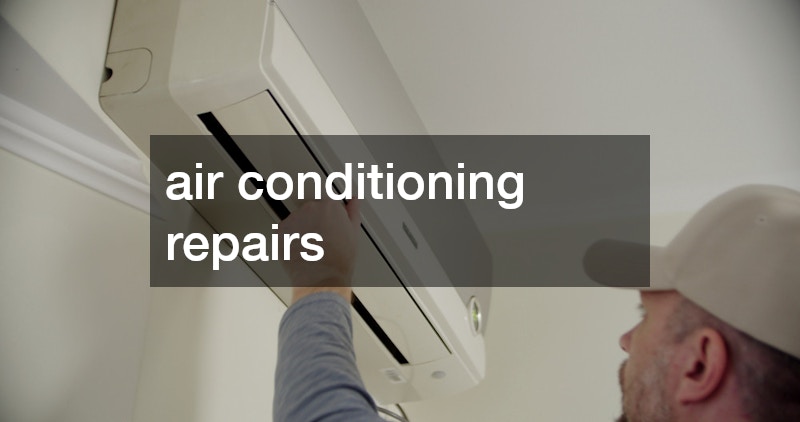
Heating, ventilation, and air conditioning (HVAC) systems are the backbone of a comfortable, energy-efficient home. Addressing these systems before completing interior finishes is crucial because ductwork, vents, and equipment installation often require access to walls, ceilings, and floors. Delaying HVAC work until later in the remodel can result in damage to new drywall, flooring, or paint, and may necessitate costly corrections.
Steps for prioritizing HVAC upgrades effectively:
-
Inspect existing units thoroughly: Begin by assessing the age, efficiency, and functionality of your heating and cooling systems. Older units may require air conditioning repairs to restore performance or even a full replacement if they are outdated or inefficient. Look for signs of uneven cooling, unusual noises, or frequent cycling, which can indicate underlying problems.
-
Engage professional services early: Hiring a local hvac repair company ensures that your system is evaluated comprehensively. Professionals can inspect ductwork for leaks, measure airflow, verify thermostat functionality, and assess energy efficiency. Early involvement allows contractors to plan upgrades without disrupting subsequent construction phases.
-
Coordinate with other trades: HVAC installation intersects with plumbing, electrical, and structural work. Ensure vents, ducts, and electrical connections are positioned correctly to avoid conflicts with wall framing, ceilings, or cabinetry. Proper coordination prevents the need to reopen finished surfaces later.
-
Plan for system upgrades strategically: Consider energy-efficient HVAC units, multi-zone systems, or smart thermostats. Upgrading during the remodel maximizes comfort while reducing long-term utility costs. In some cases, integrating new insulation and window installation projects with HVAC upgrades can further enhance efficiency and maintain consistent indoor temperatures.
-
Schedule installation sequencing: Prioritize HVAC ducting and major equipment placement before finishing work begins. This ensures that contractors have unobstructed access to ceilings, crawlspaces, or attics and prevents accidental damage to new interior materials.
Benefits of addressing HVAC early in a remodel include:
-
Protecting interior finishes: With ductwork and units installed beforehand, new flooring, drywall, and trim remain intact and unexposed to dust, debris, or heavy equipment.
-
Enhanced worker comfort: Proper temperature control during construction improves productivity and safety, especially during extreme weather.
-
Energy efficiency integration: Installing HVAC units in conjunction with insulation, window upgrades, and airtight sealing creates a cohesive system that optimizes energy performance.
-
Avoiding costly adjustments: Early planning minimizes the risk of conflicts with electrical or plumbing systems, preventing expensive modifications after finishes are installed.
By prioritizing HVAC work before interior finishes, homeowners ensure that their remodeling project proceeds efficiently, with minimal disruption to newly installed surfaces. Proper sequencing guarantees long-term comfort, energy savings, and a functional system that supports the home’s overall renovation goals.
4. Address Windows and Insulation Needs
Windows play a critical role in energy efficiency, natural light, and ventilation. Prioritizing window installation before finishing walls or flooring ensures a proper fit, prevents air and water leaks, and allows for efficient integration with insulation and trim work.
Consider the following when planning window upgrades:
-
Inspect existing frames: Look for signs of rot, warped sills, or failing seals.
-
Select energy-efficient options: Double or triple-pane windows reduce energy loss and improve comfort.
-
Coordinate with siding and roofing: Ensure that flashing and trim work are compatible with window installation plans.
-
Consider ventilation and natural light: Strategic placement enhances interior aesthetics and airflow.
Installing windows before interior finishes reduces the likelihood of damage to flooring, drywall, and trim, while ensuring that energy efficiency upgrades are maximized.
5. Evaluate Siding and Exterior Envelope Repairs
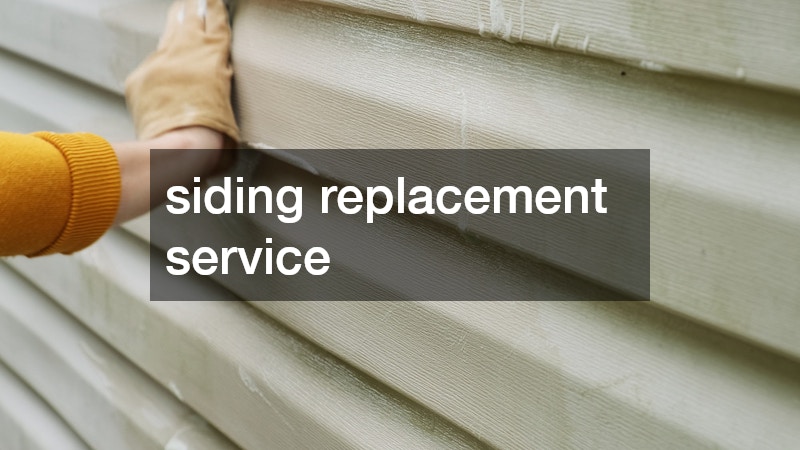
The exterior envelope of your home—including siding, trim, and flashing—protects against water intrusion and air leaks. Addressing these elements early in the renovation prevents moisture from affecting interior finishes and ensures long-term durability.
Hiring a siding replacement service can help homeowners:
-
Assess damage from weather, pests, or wear
-
Install new siding with proper insulation for energy efficiency
-
Coordinate with roofing and window projects to prevent leaks
Tips for scheduling exterior improvements:
-
Complete siding replacement before painting or trim work
-
Verify flashing and sealant are properly installed around windows and doors
-
Use weather-resistant materials compatible with the local climate
By sequencing siding and exterior repairs after roofing and window work, homeowners ensure the home’s envelope is secure before internal finishes are completed.
6. Ensure Driveway, Garage, and Access Improvements Are Planned

Functional garage doors and driveways are often overlooked in renovations, yet they play a critical role in access, safety, and aesthetics. Planning upgrades with garage door companies ensures smooth material delivery and reduces risks during construction.
Key considerations:
-
Inspect existing doors: Check for worn springs, misaligned tracks, or damaged panels.
-
Plan for replacements or repairs: Coordinate installation with roofing, siding, and window projects.
-
Provide safe access: Ensure contractors and delivery vehicles can reach work areas without damaging landscaping or exterior finishes.
Benefits of addressing garage and access early:
-
Reduces damage to new installations
-
Improves safety for construction crews
-
Enhances curb appeal once the renovation is complete
7. Prioritize Exterior Cleaning and Property Maintenance
Maintaining a clean exterior before and during remodeling protects surfaces and ensures contractors can work efficiently. Hiring a house washing company removes dirt, mold, mildew, and debris, preparing your home for painting, siding, or trim installation.
Considerations for sequencing cleaning:
-
Schedule washing after major debris from tree trimming or roofing work is removed
-
Protect landscaping with tarps or temporary barriers
-
Coordinate with exterior contractors to prevent damage to freshly cleaned surfaces
Benefits of exterior cleaning:
-
Protects finished surfaces from dirt and contaminants
-
Improves contractor safety and visibility
-
Enhances curb appeal during and after renovations
8. Plan Septic Maintenance and Upgrades Late in the Schedule
Septic systems are critical to proper wastewater management and should be addressed after heavy construction but before final landscaping. Scheduling inspections and pumping ensures the system functions correctly without disrupting completed work.
Hiring septic pumping companies can help:
-
Inspect and pump tanks for optimal operation
-
Verify drain fields are unobstructed
-
Identify potential issues before final grading or landscaping
Timing septic maintenance late in the renovation ensures heavy equipment used for grading, siding, and exterior work does not damage system components. This sequencing protects your investment and prevents costly repairs post-renovation.
9. Sequence Interior Finishes After Core Systems Are Stable
Once structural, plumbing, HVAC, window, and exterior work are complete, it’s time to focus on interior finishes. Flooring, paint, cabinetry, and trim should be installed only after inspections and approvals from earlier trades.
Tips for sequencing interior finishes:
-
Protect surfaces: Use drop cloths and temporary barriers to prevent damage during final touches.
-
Schedule painting and flooring logically: Walls before flooring or vice versa depending on workflow and material type.
-
Coordinate with contractors: Ensure no trade still needs access to completed areas.
Proper sequencing prevents costly rework and ensures a polished, professional finish.
10. Final Walkthrough and Preventive Maintenance Planning
After construction is complete, a final walkthrough ensures all systems and upgrades meet expectations. This is also the ideal time to plan for ongoing maintenance.
Checklist for post-renovation maintenance:
-
Verify HVAC systems, plumbing, and roofing are functioning properly
-
Ensure windows, siding, and garage doors operate smoothly
-
Schedule regular inspections and service with trusted local contractors
-
Maintain a file with warranties, service records, and manuals
Planning preventive maintenance protects your renovation investment, extends the life of key systems, and ensures your home remains safe, functional, and efficient.
Strategically prioritizing repairs and upgrades during a major renovation ensures that your home remains protected, systems function properly, and work progresses smoothly. It’s important to plan for air conditioning repairs, septic services, a local plumbing company, a house washing company, window installation, roofing contractors, garage door companies, local hvac repair, a siding replacement service, and septic pumping companies. By addressing structural, plumbing, HVAC, exterior, and interior tasks in the right order, homeowners save time, avoid costly mistakes, and create a lasting, high-quality remodel. Following a thoughtful sequence empowers homeowners to make informed decisions, coordinate contractors efficiently, and enjoy a stress-free renovation from start to finish.