Most people who drink socially never stop to ask themselves whether their habits have quietly shifted into something more concerning. The line between casual drinking and a genuine problem is often blurry, and denial can make it even harder to see clearly. If you have ever wondered whether your relationship with alcohol has changed, you are not alone, and understanding the warning signs is the first step toward making an informed decision about your health. This article walks through the key indicators worth paying attention to, from changes in frequency to the impact on your daily responsibilities.
Tracking How Often and How Much You Drink
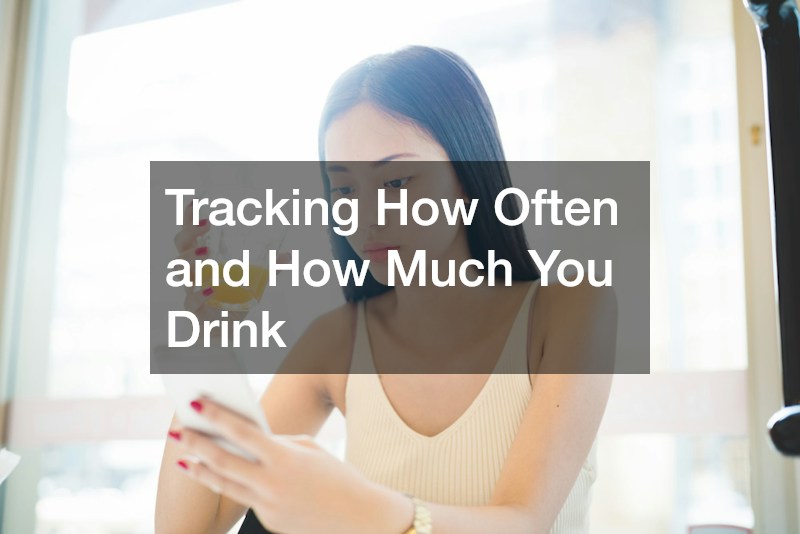
One of the clearest signals that social drinking has shifted is a steady increase in frequency or quantity, even if it feels gradual. What once was a glass of wine with dinner on weekends can slowly become a nightly habit without you consciously deciding to change anything. The shift is rarely dramatic; it usually happens one small justification at a time, like “it’s been a stressful week” or “it’s just one extra glass,” until the exception becomes the rule. Keeping an honest mental or written log of your drinking over a few weeks can reveal patterns that are easy to miss in the moment. Note not just the number of drinks, but the days of the week, the settings you’re in, and what you were feeling beforehand. A simple notebook, a notes app, or even a basic calendar with a tally mark per drink is enough to start seeing the real picture. Many people are surprised to find that what they considered occasional drinking actually happens far more regularly than they realized. Health guidelines often define moderate drinking as up to one drink a day for women and up to two for men, so comparing your tally against a concrete benchmark can be more revealing than relying on a vague sense of “I don’t drink that much.” If your log shows drinking on five or six nights a week, or portion sizes creeping up from a single glass to a refilled one, that’s useful information your memory alone would likely have glossed over.
It also helps to compare your habits against general guidelines for moderate drinking, which most health organizations define as up to one drink a day for women and two for men, with no more than seven drinks a week for women or fourteen for men. A standard drink is smaller than many people assume: 12 ounces of regular beer, 5 ounces of wine, or 1.5 ounces of distilled spirits. Pouring a generous glass of wine at home can easily equal two standard drinks without you realizing it. Consistently exceeding these limits does not automatically mean there is a serious problem, but it is a useful benchmark for self-reflection. Pay attention to patterns, too, not just totals — drinking five drinks in one sitting once a week (binge drinking) carries different risks than spreading a similar amount evenly across several days. Keeping a simple log for two to four weeks, noting the date, number of drinks, and context, can reveal patterns that are easy to miss in the moment. Many people are surprised to find their actual count is higher than their mental estimate, since memory tends to minimize numbers that feel routine or socially unremarkable.
- Notice if you drink alone more often than in social settings, such as having a glass of wine after work before anyone else is home
- Keep a simple log for two weeks noting date, drink count, and setting to spot patterns you might otherwise overlook
- Pay attention to whether you need more alcohol than before to feel the same effect, a sign of rising tolerance
- Track whether weekday drinking has become normal rather than occasional, like routinely having a beer on Tuesday nights
- Compare your current weekly drink count to recommended limits (generally up to 7 drinks a week for women, 14 for men) to see where you stand
- Consider if special occasions are now just excuses to drink more, rather than genuine reasons to celebrate
- Ask whether you plan your schedule around drinking opportunities, such as choosing events based on whether alcohol will be served
Noticing Changes in Mood and Behavior After Drinking
Alcohol affects everyone differently, but a noticeable shift in personality, irritability, or anxiety tied to drinking is worth examining closely. Some people become more withdrawn or secretive about their habits, while others experience mood swings that seem disconnected from anything else going on in their lives. If friends or family have mentioned that you seem different after drinking, it is worth taking that feedback seriously rather than dismissing it.
Anxiety and guilt following a night of drinking, sometimes called hangxiety, can also be a sign that your relationship with alcohol is becoming more complicated. This emotional aftermath is different from a simple hangover and often points to a deeper unease about the role drinking plays in your life.
Evaluating the Impact on Work and Relationships
A true measure of whether drinking has become problematic is how it affects your responsibilities and the people around you. Missing deadlines, calling in sick after a night out, or struggling to concentrate because of a lingering hangover are all signs that alcohol is spilling into areas of life where it does not belong. Relationships can suffer too, especially when loved ones express concern or when arguments about drinking become more frequent.
It is also worth considering whether you have started prioritizing situations where drinking is involved over other commitments. Choosing a bar outing over a family event, or feeling anxious about attending something where alcohol will not be available, can indicate that drinking has taken on more importance than it should.
- Ask whether coworkers or supervisors have commented on your performance
- Reflect on whether friends or family have expressed worry about your habits
- Consider if you have missed important events due to drinking or recovering from it
- Notice if conversations about your drinking lead to defensiveness or denial
Recognizing Attempts to Cut Back That Have Failed
Many people who are honest with themselves have tried at some point to drink less, take a break, or set limits, only to find those efforts short-lived. This pattern of repeated attempts followed by relapse into old habits is one of the more telling signs that drinking has moved beyond the social category. It is not necessarily about willpower; rather, it often reflects how deeply alcohol has become woven into daily coping mechanisms or routines.
If you find yourself making promises to yourself about cutting back, only to break them within days or weeks, this is worth taking seriously. It does not mean you have failed as a person, but it does suggest that professional support, such as alcohol rehab, might provide the structure and guidance needed to make lasting changes stick.
Understanding the Physical Signs of Dependence
Beyond behavior and emotion, the body itself often provides clues when drinking has escalated into dependence. Physical symptoms like shaking hands, sweating, nausea, or difficulty sleeping when you have not had a drink can indicate that your body has adapted to regular alcohol use. These withdrawal-like symptoms are different from a typical hangover and tend to appear specifically when alcohol is absent for a period of time.
Tolerance is another important physical marker, meaning you need progressively more alcohol to achieve the same feeling of relaxation or buzz. This happens because the body adjusts its chemistry in response to regular alcohol exposure, and it is one of the clearest biological signs that casual drinking has changed into something more serious.
- Watch for physical discomfort or restlessness when you go without a drink
- Notice if you experience nausea or headaches specifically tied to not drinking
- Pay attention to sleep disruptions that seem connected to alcohol use
- Consider whether you have increased your intake significantly over time to feel the same effects
Recognizing these signs in yourself or someone you care about is not about assigning blame but about gaining clarity on a pattern that may be harder to see from the inside. If several of these indicators feel familiar, it may be worth having an honest conversation with a healthcare provider or counselor about next steps. Taking that first step toward understanding your relationship with alcohol is often the hardest part, but it opens the door to real, lasting change.