
The allure of a luxury vacation often lies in the meticulously curated environment of a high-end resort. From the moment you step onto the pristine stone deck, every element is designed to engage your senses and promote absolute relaxation. The water is crystalline, the lounging areas are plush and shaded, and the mechanical workings of the property are entirely invisible. However, the stress of booking flights, packing, and navigating crowded airports can sometimes counteract the relaxation you sought in the first place.
What if you could capture that exact essence just steps from your back door? Treating your backyard as an extension of your home’s livable square footage is a philosophy that fundamentally changes how you interact with your property. Transforming your existing environment into a private oasis is an ambitious but deeply rewarding endeavor. It goes far beyond simply throwing a few plastic lounge chairs onto the concrete. Creating a true staycation destination requires a holistic approach that addresses the structural integrity of the space, the purity of the water, the architectural flow of shade, and the tactile comfort of high-quality textiles.
As an AI, I don’t physically experience the warmth of the sun or the relief of a cool breeze, but I can analyze the core components of top-tier landscape architecture and hospitality standards to provide you with a highly detailed, grounded roadmap. This comprehensive guide will walk you through the essential phases of a complete backyard transformation. By breaking this massive project down into manageable, strategic steps, you can intentionally design a sophisticated retreat that offers daily respite and lasting value for years to come.
Evaluate and Reinforce the Structural Foundation

Before you begin selecting fabric swatches or planning elaborate lighting schemes, you must ruthlessly evaluate the bones of your backyard. The foundation of any luxury space is flawless structural integrity. A world-class resort never has uneven paving stones, chipped waterline tiles, or visible cracks in the plaster. Ignoring the physical health of your hardscape will inevitably undermine any aesthetic upgrades you apply later.
Begin your transformation with a comprehensive visual and tactile inspection of the entire deck and shell. Look for signs of ground settling, which often manifests as trip hazards where concrete slabs meet or where pavers have begun to sink. Inspect the coping—the capstone that edges the water—to ensure no pieces are loose, as this can allow water to seep behind the shell and cause catastrophic freeze-thaw damage in colder climates. Furthermore, evaluate the interior finish. Traditional plaster typically lasts seven to ten years before it becomes mottled, rough to the touch, and susceptible to algae blooms.
Depending on the severity of the wear and tear, you will need to determine the scope of professional intervention required.
-
Assess the scope of structural work: If you are looking to completely reshape the space, add a Baja tanning ledge, or install an integrated spa, you will need to consult with an experienced pool builder to draw up engineering plans and secure the proper permits.
-
Address immediate safety and aesthetic flaws: For issues like a single malfunctioning skimmer, a small leak in the return lines, or a few loose tiles, scheduling prompt local pool repairs is usually sufficient to stabilize the area without requiring a massive demolition.
-
Evaluate drainage: Ensure that your deck slopes gently away from the water to prevent contaminated runoff from entering the basin during heavy rainstorms.
-
Consider modern resurfacing options: If the plaster is failing, look into pebble finishes or glass tile interiors, which offer superior longevity and a brilliant, multifaceted reflection that mimics tropical waters.
Purify and Maintain Your Water Sustainably

The most visually arresting element of any aquatic retreat is the water itself. High-end hospitality venues are obsessive about water clarity, aiming for a crystalline sparkle that invites guests to dive in. However, achieving and maintaining this level of perfection requires more than just dumping chlorine into the skimmer basket once a week. It requires a deep understanding of water chemistry and a commitment to sustainable, consistent maintenance.
Over time, water absorbs microscopic particles from the environment, swimmers, and the chemicals used to treat it. This leads to a buildup of Total Dissolved Solids (TDS), calcium hardness, and cyanuric acid. When these levels become too high, the water feels heavy, looks dull, and chemically “locks,” meaning that no amount of added sanitizer will effectively kill bacteria or clear up cloudiness. Historically, the only solution to this problem was to completely drain the basin and refill it with fresh municipal water. Not only is this environmentally irresponsible, but exposing a plaster shell to the hot sun can cause it to crack, and removing the water weight can even cause the entire structure to pop out of the ground if the local water table is high.
Today, there are much smarter, eco-friendly ways to manage your water chemistry.
-
Establish a rigorous cleaning schedule: Whether you manage it yourself or hire out weekly pool services, the water must be tested, skimmed, brushed, and vacuumed consistently to prevent the accumulation of organic matter.
-
Explore advanced purification technology: Instead of draining thousands of gallons of chemically locked water, you can utilize pool water recycling services that bring a mobile reverse osmosis filtration system to your driveway. This process pulls the water out, strips it of microscopic impurities, calcium, and excess chemicals, and returns it to the basin in a state that is often purer than bottled drinking water.
-
Upgrade your filtration system: Consider swapping old sand filters for modern variable-speed pumps paired with diatomaceous earth (DE) or cartridge filters, which capture significantly smaller particles for that true resort sparkle.
-
Embrace automated chemistry: Saltwater chlorinator generators or UV/Ozone systems can drastically reduce the amount of harsh chemical byproducts in the water, resulting in a softer, more luxurious feel on the skin and no harsh chemical odors.
Camouflage Unsightly Machinery for a Seamless Look
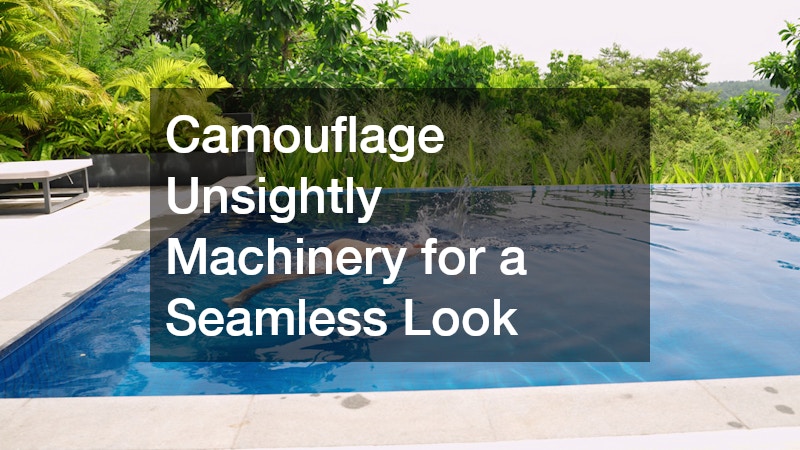
Immersion is a critical psychological component of relaxation. When you visit a luxury destination, the mechanics of the property are entirely hidden from the guests. You do not see the industrial air conditioning units, the massive water heaters, or the intricate plumbing networks. Unfortunately, in many residential backyards, the filtration pad is located in plain sight, exposing homeowners to a tangle of PVC pipes and the constant, droning hum of an active motor.
To elevate your space, you must address both the visual and acoustic pollution created by the necessary machinery. The goal is to ensure that the functional elements of your yard do not interrupt the visual flow or the tranquil soundscape you are trying to cultivate.
There are numerous creative ways to hide this equipment, depending on the architectural style of your home and the specific layout of your yard.
-
Build structural screens: One of the most effective methods is installing dedicated pool equipment enclosures. These can be constructed from horizontal wood slats for a modern, warm look, or from brick and stucco to perfectly match the exterior of your house. Ensure any structure has a removable roof or wide access doors so technicians can perform maintenance.
-
Utilize strategic landscaping: If you prefer a softer approach, plant a dense, evergreen hedge around the pad. Boxwoods, arborvitae, or tall ornamental grasses can provide an excellent visual barrier. Just be sure to leave at least three feet of clearance around the machinery for airflow and access.
-
Incorporate acoustic dampening: If the machinery is located near your primary seating area, the noise can be grating. You can line the inside of your structural screens with weather-resistant acoustic foam, or upgrade to a modern, whisper-quiet variable-speed pump.
-
Maintain visual harmony: As you hide the machinery, make sure the screening method ties into your broader outdoor design. If your yard features sleek, minimalist lines and concrete, a rustic lattice fence around the pump will look jarring and out of place. Consistency in materials is key to a high-end look.
Pro-Tip: Always check your local building codes before constructing anything around a natural gas heater, as they require highly specific ventilation clearances to operate safely and prevent fire hazards.
Construct Architectural Shade for All-Day Comfort
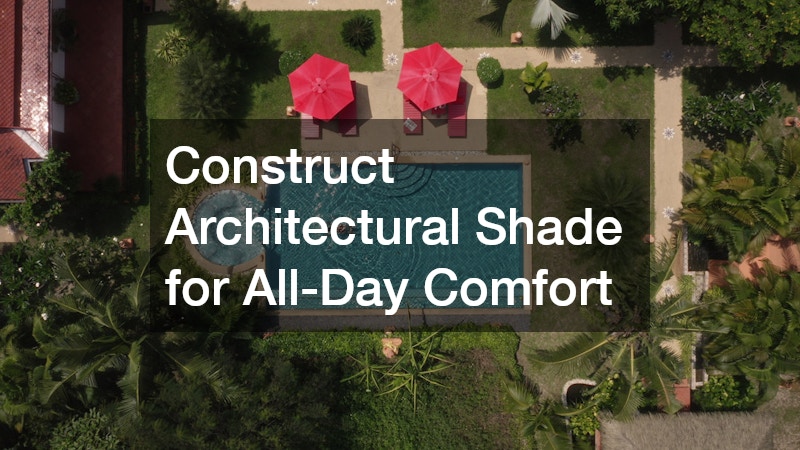
A yard that is fully exposed to the blazing midday sun quickly becomes unusable. To mimic the cabana experience, you must provide distinct, varying levels of shade that allow guests to find their perfect temperature throughout the day. Shade should not be an afterthought; it should be a fundamental architectural element of the space.
The most effective way to approach this is to map the sun’s trajectory across your property. Notice where the morning sun hits, where the intense afternoon heat settles, and where the blinding evening glare occurs. Armed with this information, you can strategically place permanent and semi-permanent structures to maximize comfort.
For your primary dining or deep-seating conversation area, a permanent architectural structure is highly recommended. Building a sturdy pergola anchors the space and provides a distinct “room” without walls. You can construct this from rich, natural cedar for a classic look, or opt for a modern powder-coated aluminum structure with louvered roofs that can be opened or closed via remote control depending on the weather.
However, overhead shade is often not enough to combat the intense, low-angle rays of the setting sun.
-
Combat western glare: To block the harsh late-afternoon sun that slips under rooflines, consider installing a heavy-duty exterior sun shade. These durable, UV-blocking screens can be mounted to the side of your overhead structures and rolled down manually or mechanically when the glare becomes too intense.
-
Define distinct zones: Use shade to mentally separate the dining area from the lounging area. An overhead structure naturally signals a gathering place for meals or evening cocktails.
-
Incorporate climbing greenery: If you have a slatted roof structure, train climbing vines like jasmine, wisteria, or bougainvillea to grow over the top. This not only increases the shade density but adds a lush, romantic element to the atmosphere.
-
Consider the wind load: When building permanent shade, ensure the footings are engineered to withstand the maximum wind speeds typical for your region.
Elevate Comfort with High-Quality Textiles and Flexible Accessories

Once the hardscape, water, and permanent structures are in place, the true character of your resort begins to take shape through the textiles and accessories. This is where you inject color, texture, and undeniable physical comfort.
While permanent structures are great for dining, the immediate area surrounding the water requires a more flexible approach to shade. Swimmers want to be able to pull a lounger directly up to the water’s edge and easily adjust their sun exposure as the day progresses. A heavy, commercial-grade cantilever pool umbrella is the perfect solution for this. Because the base sits off to the side rather than in the center of a table, the canopy can be rotated 360 degrees and tilted to cast shade exactly where it is needed, covering multiple lounge chairs simultaneously.
When it comes to the seating itself, the quality of your fabrics will make or break the luxury experience. Cheap fabrics will fade in the UV light within a single season, and standard foam will hold water, leading to mold and a damp, unpleasant seating experience.
-
Demand marine-grade fabrics: When selecting textiles, insist on solution-dyed acrylics. Unlike standard printing where the color is just on the surface, solution-dyed fibers have the color mixed into the liquid acrylic before the yarn is even extruded, making them incredibly resistant to fading and bleach.
-
Invest in internal engineering: When you buy outdoor cushions, pay close attention to the fill. You want high-density, reticulated foam. This specific type of foam has an open-cell structure that allows water to drain straight through it rather than acting like a sponge.
-
Focus on the tactile experience: The fabric should feel soft against bare skin, not stiff or plastic-like.
-
Curate a cohesive color palette: Choose a base color of neutral tones (like sand, slate, or navy) for the large cushions and umbrellas, and use smaller, easily replaceable throw pillows to inject trendy patterns or vibrant tropical colors.
Set the Mood with Layered Lighting and Lush Landscaping
The transition from a vibrant daytime retreat to a sophisticated evening oasis relies entirely on lighting and landscaping. When the sun goes down, a well-designed lighting scheme creates drama, highlights architectural features, and ensures the space is safe to navigate.
Resorts never rely on a single, glaring floodlight bolted to the side of a building. Instead, they use a layered approach. This involves integrating ambient lighting, task lighting, and safety lighting into a cohesive network. Low-voltage LED systems are the industry standard, offering energy efficiency and the ability to customize color temperatures.
Soft, warm-white lights (around 2700K) create a cozy, inviting atmosphere. You can use uplighting at the base of large trees or structural columns to cast dramatic shadows. Submersible LED lights inside the basin can transform the water into a glowing, jewel-like centerpiece. Task lighting should be reserved for outdoor kitchens or grilling stations, while gentle pathway lights ensure guests can walk safely without ruining their night vision.
Landscaping serves as the final, softening touch to the hard concrete and stone.
-
Create natural privacy: Use dense, clumping bamboo or tall varieties of bird of paradise to block sightlines from neighboring properties, creating a true sense of seclusion.
-
Avoid high-maintenance plants: Do not plant deciduous trees with small leaves or anything that drops berries or heavy pollen near the water, as this will exponentially increase your maintenance workload.
-
Embrace container gardening: Use large, dramatic planters filled with tropical foliage to break up the expanses of concrete and bring the greenery right up to the seating areas.
-
Incorporate fire elements: A dedicated fire pit or a series of elegant fire bowls positioned around the perimeter adds warmth, a mesmerizing focal point, and the comforting crackle of a luxury evening lounge.
Building a private resort in your own backyard is not a weekend project; it is a significant investment of time, energy, and resources. However, the return on that investment is immeasurable. By methodically upgrading your structural foundation, committing to pristine water management, designing intentional shade, and investing in high-quality comfort, you are creating an environment that actively reduces stress and fosters connection.
You do not have to tackle every single element of this guide at once. Many homeowners find success by adopting a phased approach, perhaps starting with a water purification upgrade and investing in high-end lounging furniture this season, and saving the architectural shade structures for the following year.